LightBlog

jeudi 13 février 2020

Xiaomi will launch the Mi 10 and Mi 10 Pro in India

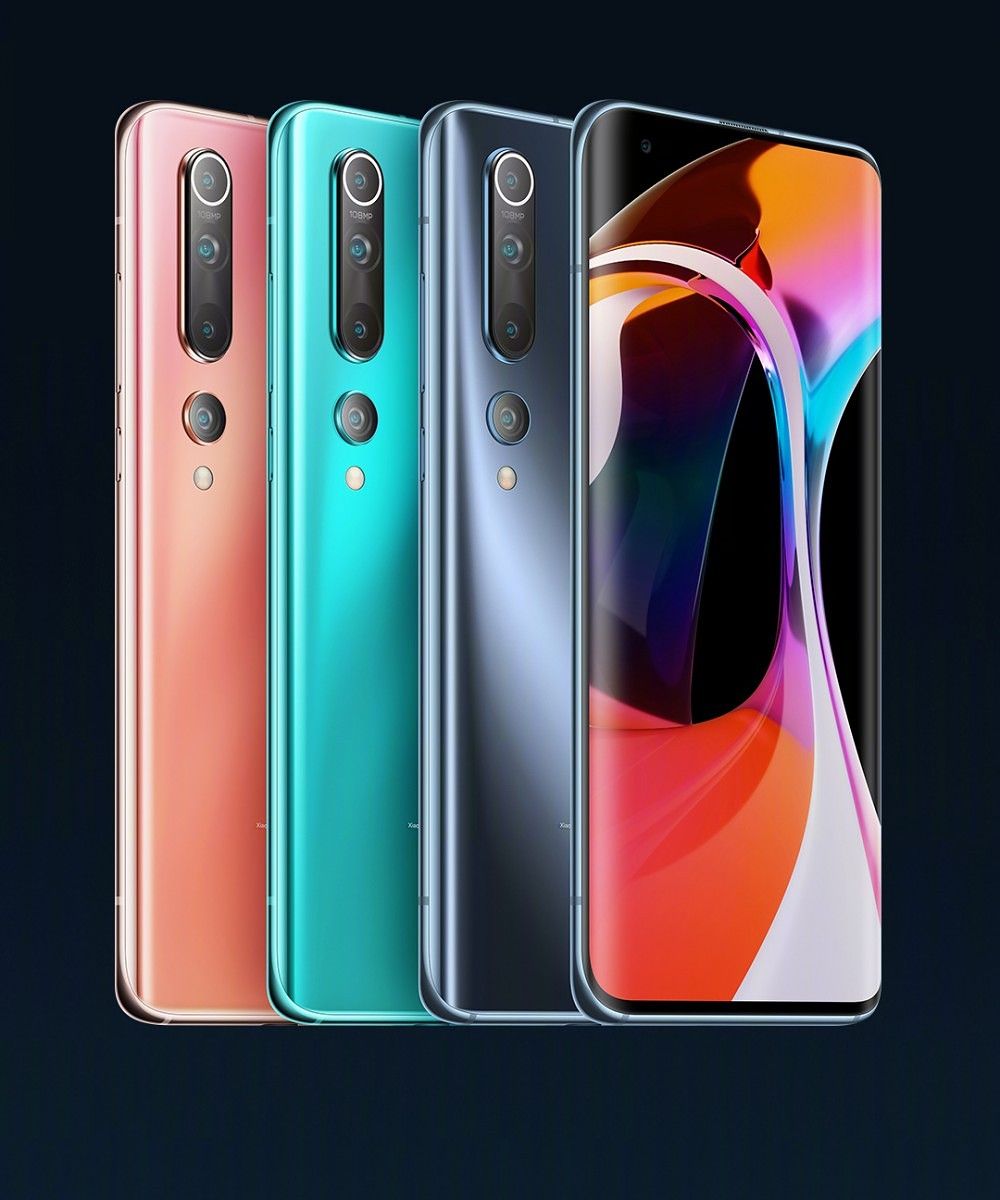
Xiaomi is among the companies that have, over the years, changed the definition of “flagship” by vending great devices at incredible prices. As Xiaomi progresses towards completing ten years in the industry, it aims to project a more premium persona with the future releases. Alongside the follow-up to the Mi 9 series, Xiaomi has launched a Pro model today in China. The new devices are equipped with features like Snapdragon 865, 108MP camera, up to 50W charging, and more. We’re thrilled to learn that the Xiaomi Mi 10 and Mi 10 Pro will be coming to markets other than China – including India, Indonesia, Russia, and EEA (European Economic Area) at the very least.

Xiaomi Mi 10 Pro Xiaomi Mi 10 Pro

As per a tip by XDA Recognized Developer yshalsager, Xiaomi is developing MIUI 11 builds for the Mi 10 (codename: “umi“) and the Mi 10 Pro (codename: “cmi“). These MIUI 11 builds are being developed for the following region:

  • EEA (European Economic Area)
  • Global
  • RU (Russia)
  • ID (Indonesia)
  • IN (India)

Over the last few years, Xiaomi has shied away from bringing its flagships under the Mi series to India. This was primarily to focus more on the Redmi brand since it resonates more with the expectations of price-conscious consumers in the country. However, Xiaomi has been leading the smartphone market in India for 10 consecutive quarters and is now poised to enter the category of flagships and not be limited flagship killers like the Redmi K20 Pro (review).

The evidence spotted by the senior developer also corroborates the previous statement from Xiaomi in which it spoke about bringing more premium devices to India under the Mi brand. Last month, the company also held closed-door meet-ups to give Indian journalists a close look at the Mi MIX Alpha.

Xiaomi’s claims about bringing Mi-branded flagships to India could mean previous devices like the Mi Note 10/Note 10 Pro as well as the just-announced Mi 10 and the Pro. Not just that, Xiaomi India’s official twitter handle has been brandishing “#108MP IS COMING!” in its username, which does also substantiates the evidence spotted by us – especially since no specific mention of the Indian variant of Mi Note 10 has been spotted in MIUI code so far.

Xiaomi India’s MD also teased that the company might bring the new flagships to India. In the region, the new premium devices from Xiaomi will compete against flagships from OnePlus whereas we expect to see a much affordable Redmi-branded flagship killer to compete with Realme’s offerings.

What are your thoughts on Xiaomi Mi 10 and 10 Pro finally coming to India after a long wait? Let us know in the comments below!  

The post Xiaomi will launch the Mi 10 and Mi 10 Pro in India appeared first on xda-developers.


from xda-developers https://ift.tt/2P5IJpJ
via IFTTT

Xiaomi launches the Mi 10 with 90Hz screen, 108MP camera, and Snapdragon 865

After weeks of leaks and teasers about its upcoming flagship, Chinese OEM Xiaomi has officially launched the Xiaomi Mi 10 and Mi 10 Pro at an online-only launch event in China. After delivering a heartfelt speech about the ongoing coronavirus outbreak in the country, Xiaomi’s co-founder Lei Jun first unveiled the Mi 10. As expected, the Mi 10 series is powered by Qualcomm’s latest flagship Snapdragon 865 SoC, coupled with up to 12GB of LPDDR5 RAM and up to 512GB of UFS 3.0 internal storage. The devices feature a glass sandwich design with a 6.67-inch curved OLED display and a quad-camera setup on the back.

Xiaomi Mi 10


The display on the Mi 10 offers a 90Hz refresh rate with 180Hz touch response for improved performance. It offers a peak brightness of 1120 nits and comes with HDR 10+ support for a great viewing experience. In the camera department, the Mi 10 packs in a 108MP primary sensor, which we’ve previously seen on the Mi Note 10, with a 7 piece lens setup and optical image stabilization. The primary lens is capable of capturing 8K video footage with both OIS and EIS.

Flanking the main camera are two 2MP sensors, with one being used for macro images while the other is for depth sensing. Right underneath the larger camera module is a 13MP wide-angle lens with a 123-degree FOV and rounding things off is a flicker-free dual-tone LED flash.

As announced previously, the Mi 10 packs in a remarkable cooling system with the largest (by area) VC heat-dissipating board in any smartphone. Powering the device is a 4,780 mAh battery which includes support for 30-watt fast wired charging, 30-watt fast wireless charging, and 10-watt reverse wireless charging.

Mi 10 charging accessories

To go with the Mi 10’s improved wireless charging capabilities, Xiaomi also launched a 30-watt fast wireless charger at the event which looks quite a bit like the Google Pixel Stand that was launched alongside the Pixel 3. Additionally, Xiaomi also launched a 2-in-1 wireless charger/Bluetooth speaker combo and a colling fan for the Mi 10 which, the company claims, can lower the temperature of the device by 10 degrees under intense load.

In terms of connectivity, the Mi 10 includes a USB Type-C port for charging and data syncing, dual-mode (SA/NSA) 5G support, Wi-Fi 6, NFC, and Bluetooth v5.0. As expected, Xiaomi also announced a new Wi-Fi 6 certified router at the event. Along with all the new hardware, Xiaomi also announced some software upgrades coming with the Mi 10, including HEIF support in MIUI and a new document scanner in the stock MIUI camera. Additionally, users will also be able to capture stills from 8K videos from within the app.

After wrapping up everything about the Mi 10 and all the new accessories, Jun directed focus to the more premium Mi 10 Pro. While the Mi 10 Pro packs in the same Snapdragon 865 SoC, Xiaomi has added some significant upgrades to the device to justify the ‘Pro’ moniker.

Xiaomi Mi 10 Pro

Firstly, the Mi 10 Pro features a Pro display that has the same footprint as the one on the Mi 10 but offers a peak brightness of 1200 nits, a Delta-E value of just 1.1, and a JNCD value of less than 0.55. In comparison, the display on the iPhone 11 Pro Max offers a JNCD value of less than 0.8 and a Delta-E value of 2.14.

But the display isn’t the only thing that’s Pro on the Mi 10 Pro. The device also includes an upgraded camera setup with the same 108MP primary sensor, but with an 8 piece lens setup and OIS. The primary sensor is coupled with a 20MP ultra-wide sensor with a 117-degree FOV and a 6P lens setup, an 8MP telephoto lens with 10x hybrid zoom and OIS, and a 12MP portrait lens. Much like the Mi 10, the Mi 10 Pro also includes support for 8K video capture with OIS and EIS using the primary 108MP lens, with the option to capture still directly from the video footage.

The Mi 10 Pro is powered by a 4,500 mAh battery which includes support for 50-watt fast wired charging, as opposed to the rumored 65-watt fast charging claims. The device also supports 30-watt fast wireless charging and 10-watt reverse wireless charging to power up accessories or other devices. As far as the 65-watt fast charging rumors are concerned, Xiaomi took the opportunity to shed more light on the matter and released two new 65-watt fast chargers at the event. While these chargers won’t work with the Mi 10 Pro, the can be used to power up other devices that support 65-watt charging over USB Type-C. In terms of connectivity, the Mi 10 Pro also includes support for dual-mode 5G (SA/NSA), Wi-Fi 6, NFC, and Bluetooth v5.0. For charging and data syncing, the device has a USB Type-C port.

Xiaomi Mi 10/Mi 10 Pro Specifications

Specification Xiaomi Mi 10 Xiaomi Mi 10 Pro
System-on-Chip Qualcomm Snapdragon 865 Qualcomm Snapdragon 865
Display 6.67″ OLED
2340 x 1080
HDR10+
90Hz @ FHD+
180Hz touch response
Peak Brightness 1120 nits
6.67″ OLED
2340 x 1080
HDR10+
90Hz @ FHD+
180Hz touch response
Peak Brightness 1200 nits
Security In-display fingerprint sensor

Software-based face recognition

In-display fingerprint sensor

Software-based face recognition

Front Camera 20MP 20MP
Rear Camera 108MP Wide 1/1.33″, 7P lens, OIS
13MP Ultra-Wide, 123°,  f/2.4
2MP f/2.4 Macro Camera
2MP f/2.4 Depth Sensor
108MP Wide 1/1.33″ 8P Lens, OIS
20MP Ultra-wide, 117°, f/2.2, 6P Lens
12MP Portrait Lens, f/2.0
8MP Telephoto Lens with 10x Hybrid Zoom, OIS
RAM up to 12GB LPDDR5 up to 12GB LPDDR5
Storage up to 256GB UFS 3.0 up to 512GB UFS 3.0
Battery Capacity 4,780 mAh
30W Fast Wired Charging, 30W Fast Wireless Charging, 10W Reverse Wireless Charging
4,500 mAh
50W Fast Charging, 30W Fast Wireless Charging, 10W Reverse Wireless Charging
Software Version Android 10 Android 10
Connectivity 5G: SA/NSA

Wi-Fi 6

USB Type-C

NFC

Bluetooth v5.0

5G: SA/ NSA

Wi-Fi 6

USB Type-C

NFC

Bluetooth v5.0

Audio Stereo speakers, Hi-Res Audio certified Stereo speakers, Hi-Res Audio certified
Colors Ice Blue, Titanium Silver Black, Peach Gold Starry Blue, Pearl White
Price 8+128GB: CNY 3999 (~$575)

8+256GB: CNY 4299 (~$615)

12+256GB: CNY 4699 (~$675)

8+256GB: CNY 4999 (~$715)

12+256GB: CNY 5499 (~$780)

12+512GB: CNY 5999 (~$860)

Pricing and Availability

As mentioned in the spec sheet above, the Xiaomi Mi 10 will be available at a starting price of CNY 3999 (~$575) for the 8+128GB variant, while the 8+256GB and 12+256GB variants are priced at CNY 4299 (~$615) and CNY 4699 (~$675), respectively. The Mi 10 Pro, on the other hand, will be available for a starting price of CNY 4999 (~$715) for the 8+256GB variant. The higher-end 12+256GB and 12+512GB variants are priced at CNY 5499 (~$780) and CNY 5999 (~860), respectively.

Both the devices are already up for pre-bookings in China for a small fee of CNY 100 (~$14.32). The Mi 10 will go on sale first starting tomorrow, February 14th, at 10 PM Beijing time. The Mi 10 Pro will follow suit on February 18th at 10 PM Beijing time. The devices will be available on all major Chinese retailers, including JD.com, T-Mall, Xiaomi Youpin, and also through Xiaomi’s online stores.

The post Xiaomi launches the Mi 10 with 90Hz screen, 108MP camera, and Snapdragon 865 appeared first on xda-developers.


from xda-developers https://ift.tt/2OQQ6ks
via IFTTT

mercredi 12 février 2020

Google Chrome could be getting its own Live Caption feature

Back at Google I/O last year, the company announced a new tool in Android 10 called Live Caption. As the name suggests, the tool is designed to automatically provide captions for audio that’s playing on your device. It works with videos, podcasts, audio messages, and other supported media, making it a great accessibility tool for the hearing impaired. On top of that, the tool can also be used to help improve the video watching experience in loud environments. Now, according to a commit spotted on the Chromium Gerrit, it seems like the Google Chrome team is working to bring the feature to the browser.

The commit in question is for the SODA (Speed On-Device API) service which is crucial to get live captions to work on the browser.  The description of the commit reads, “This CL creates a sandboxed service that hosts the Speech On-Device API (SODA). It contains the components required to launch the service from the renderer process, but the implementation of the service itself is stubbed out. The design document for the feature is located at: go/chrome-live-captions.” SODA is a first-party product made by Google’s Speech team that transcribes audio into text. The name of the design doc references “Live Caption,” and several methods and constants in one of the Chromium commits also hint at this.

In one of the comments, a Googler explicitly compares this feature to the one on Android and says, “I think we should use “Live Captions” when using a name for the feature to match what’s done on Android.” However, Google wants SODA to be used for more than just Live Captions, based on a comment from another Googler who states, “Based on our discussion with the ChromeOS team, it sounds like they have other speech recognition scenarios they may want to build in the future. The benefit of naming this SODA is that other features can use this component, though it could be seen as a leaky abstraction.”

Google has currently released no information about the upcoming feature but based on the aforementioned information we can safely assume that it will work much like Android 10’s Live Caption feature once released. As of now though, the feature is still in its early stages of development and it will be quite a while before it makes it to a stable release of Google Chrome.


Source: Chromium Gerrit, Chromium Bugs

Via: Chrome Unboxed

The post Google Chrome could be getting its own Live Caption feature appeared first on xda-developers.


from xda-developers https://ift.tt/39tu2nP
via IFTTT

MIUI 11 is testing a new security feature that warns you when apps are using sensitive permissions

With our phones becoming somewhat of a crutch in our every-day lives, there’s a lot of potential abuse that can take place through someone’s smartphone. That’s why we’ve seen a massive overhaul in the permissions system with the launch of Android 10, which allows you to only grant temporary GPS access to apps when they’re open, for example. Permissions have also been made much more granular. Still, the system isn’t perfect, and MIUI 11 is introducing a new security feature to warn you when an app is using sensitive permissions. MIUI 11 has just recently rolled out to a number of Xiaomi devices, and you can check out which devices and how to install it here.

miui 11 miui 11

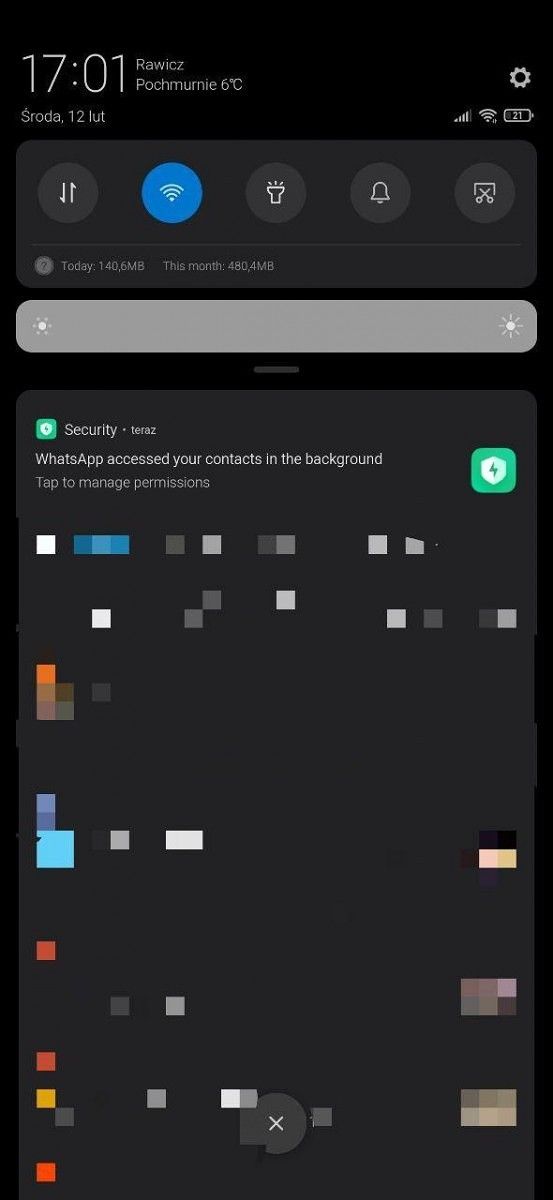
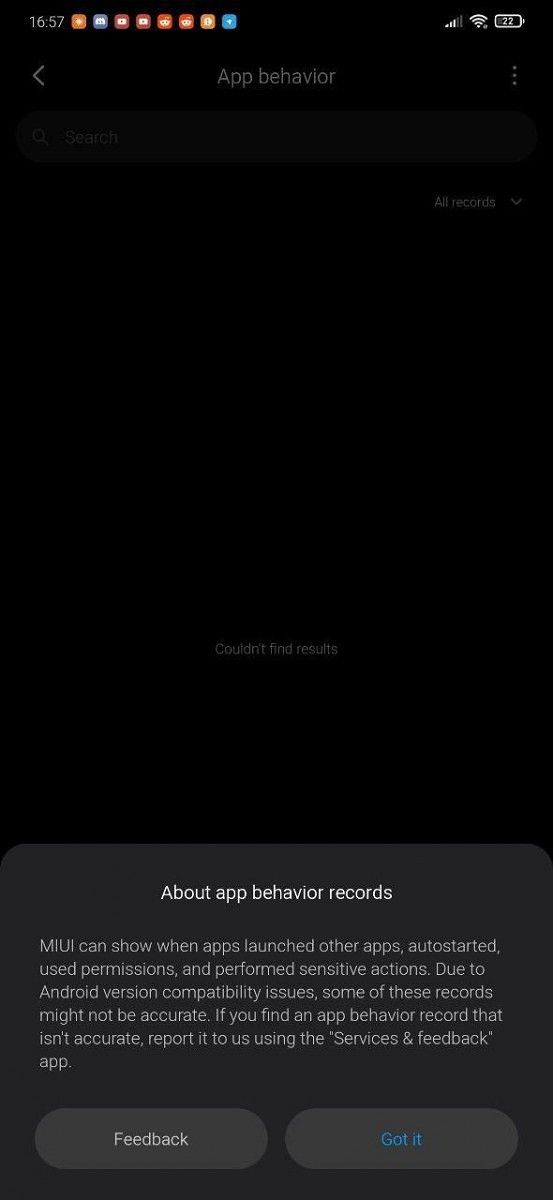
The feature is called “App Behavior Records” in MIUI 11, and it logs when apps are launching other apps in the background or when they are using sensitive permissions. The behavior recorded is as follows.

  • Autostarting in the background
  • Chain start (app launching another app)
  • Using certain permissions
  • Performing sensitive actions

“Sensitive actions” on MIUI 11 seemingly include the following.

  • Recording audio in the background
  • Accessing calendar events
  • Accessing call history
  • Making a phone call
  • Taking photos or recording videos
  • Accessing or saving items to the clipboard
  • Accessing contacts
  • Accessing your location
  • Reading your text messages
  • Accessing sensor data
  • Accessing activity info
  • Accessing device info
  • Reading your phone number
  • Accessing or saving files in the background

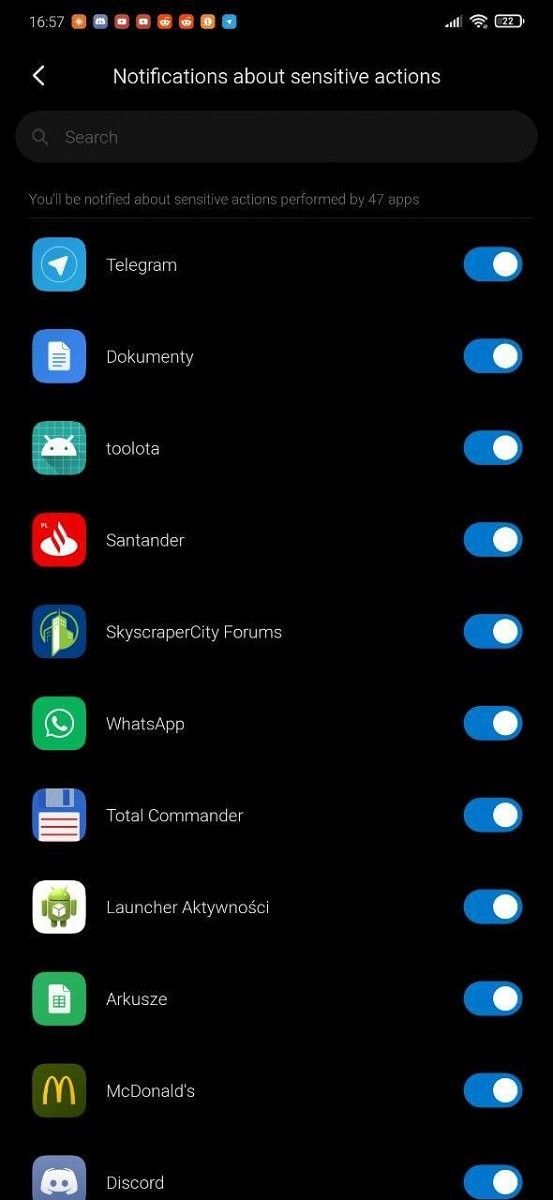
The list is quite long, and the user can control whether or not they receive notifications for when an app is detected using these permissions. It can be tweaked per application, so that an app you trust may not spam you with notifications. The feature is currently in testing and may not be available on all MIUI 11 devices yet. It’s a step in the right direction for privacy and even goes above and beyond what Google already offers as part of Android 10. We’re looking forward to its potential growth and improvement in the future!

Thanks to XDA Junior Member kacskrz for sending us the tip and the screenshots!

The post MIUI 11 is testing a new security feature that warns you when apps are using sensitive permissions appeared first on xda-developers.


from xda-developers https://ift.tt/2vvYWxu
via IFTTT

AT&T and T-Mobile expand their 5G coverage to more cities

Yesterday, Samsung finally took the wraps off the Galaxy S20 series. We were officially introduced to the three new devices: Galaxy S20, Galaxy S20+, and Galaxy S20 Ultra. As with a lot of the phone launches we’ll see this year, 5G was mentioned a lot. To go along with that, AT&T and T-Mobile are expanding their 5G networks.

Not all 5G is created equal. There are several different technologies that carriers are using right now and they all have their pros and cons. AT&T and T-Mobile run low-band 5G networks, which offers great coverage, but not the ludicrous speeds you may expect. Both companies have announced new cities added to these networks.

AT&T has added Gila County, Ariz., Hartford, Conn., Kalamazoo, Mich., Kansas City, Mo., Macon, Ga., Newaygo County, Mich., Northeast Penn., Salem, Ore., Spokane, Wash., Worth County, Ga. and York, Penn. T-Mobile has added a whopping 95 cities and towns.

Low-band 5G has the advantage of being available in many places that LTE is already present. The downside is it’s not as fast as mmWave, which can get up to 700Mbps. Right now, though, mmWave is extremely limited. You need to be outdoors and in very specific locations to get it. The Galaxy S20+ and Ultra support mmWave.

Regardless of the format, 5G is becoming available in some form or another in many more places. The Galaxy S20 series can take advantage of that.


Source: PC Mag

The post AT&T and T-Mobile expand their 5G coverage to more cities appeared first on xda-developers.


from xda-developers https://ift.tt/38hX7Tb
via IFTTT

Breaking: Mobile World Congress 2020 has been canceled

Mobile World Congress 2020 has been officially canceled. GSMA, the organization that puts on MWC in Barcelona each year, broke the news in a statement to Bloomberg. A reporter from FT and La Vanguardia are also independently reporting the news, and the GSMA issued a statement on its official newsroom. The event is being called off due to a growing number of companies pulling out of the show.

This may not come as a surprise if you’ve been following the news. Phone manufacturers who had already dropped out of the show completely or canceled their presentations include LG, Sony, TCL, ZTE, Vivo, HMD Global, and many others. With just under two weeks until MWC was scheduled to begin, it became clear that the snowball effect would only get worse.

The reason behind all of these companies withdrawing is due to the 2019 novel Coronavirus (the infection of which is now called COVID-19) outbreak. Many of the companies pointed to the potential health risk for the thousands of employees and attendees. GSMA CEO John Hoffman said the potential for an outbreak has made it “impossible” to hold the event.

Hundreds of thousands of people from around the world attend the conference, and companies spend millions of dollars in preparation for the event. The cancelation of this event will deal a major blow to the industry, as we were expecting major smartphone launches from brands like HMD Global, Huawei, Honor, LG, Motorola, OPPO, Realme, Sony, TCL, Vivo, Xiaomi, and ZTE. Of course, there will likely still be a lot of mobile news to come later this month. Companies have been preparing for the show for a long time and they will still need to show off new products. It just won’t happen at MWC, where thousands of journalists conveniently gather.

The post Breaking: Mobile World Congress 2020 has been canceled appeared first on xda-developers.


from xda-developers https://ift.tt/31VFOFe
via IFTTT