LightBlog

mardi 25 février 2020

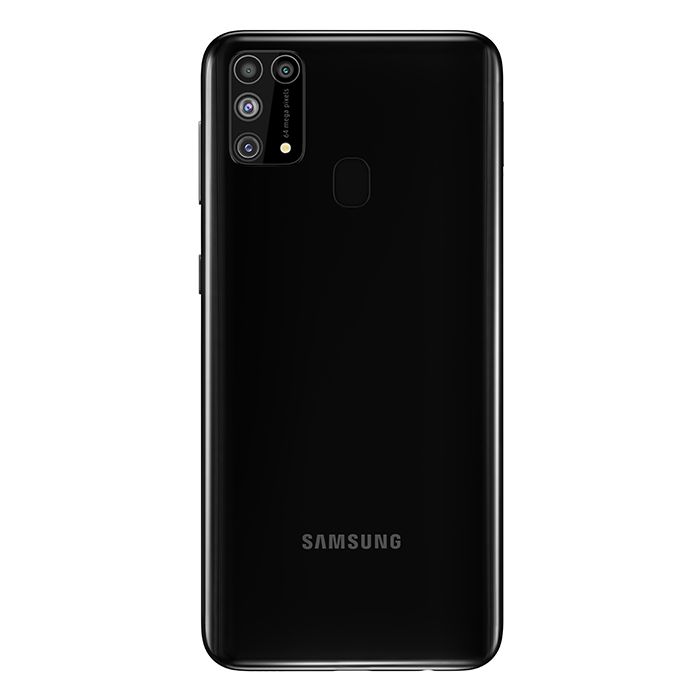
Samsung Galaxy M31 with 64MP quad cameras, One UI 2.0 based on Android 10 launches in India

Last year, Samsung’s mobile division took the radical step of reorganizing its priorities for the price-sensitive markets such as India. The electronics giant introduced a new series – the M Series – to tackle intense competition from brands like Xiaomi and Redmi. It began 2019 by launching the Galaxy M10, Galaxy M20, and the Galaxy M30. Later on in the year, the Samsung Galaxy M30s was launched as an upgrade to the Galaxy M30 and it was followed by the Galaxy M40. Almost five months after the Galaxy M30s, Samsung is now bringing the Galaxy M31 to India with minor upgrades – most importantly, a 64MP camera.

The Samsung Galaxy M31 now features a quad camera setup on the back, with a 64MP Samsung ISOCELL Bright GW1 sensor for the primary camera. The other cameras include an 8MP wide-angle camera with a 123º field of view, a 5MP macro camera, and a 5MP depth sensor. The front camera has also been upgraded from 16MP on the Samsung Galaxy M30s to a 32MP sensor on the Galaxy M31.
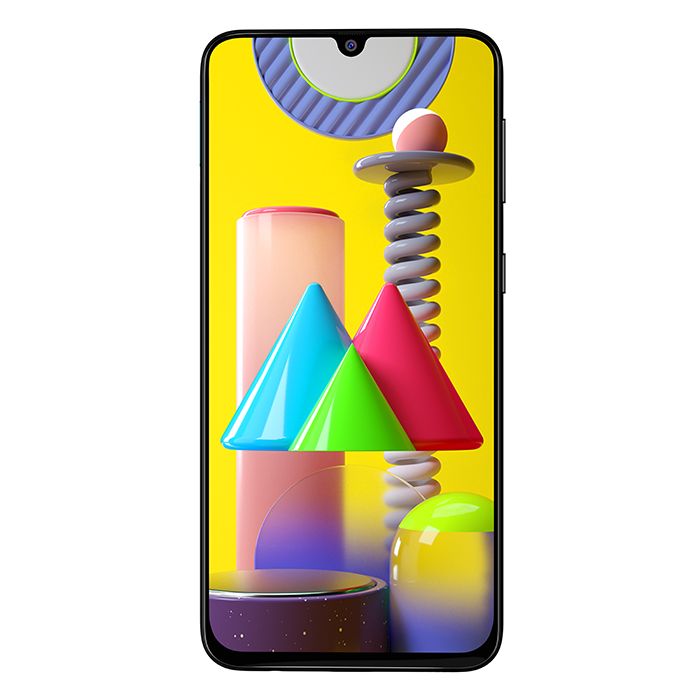
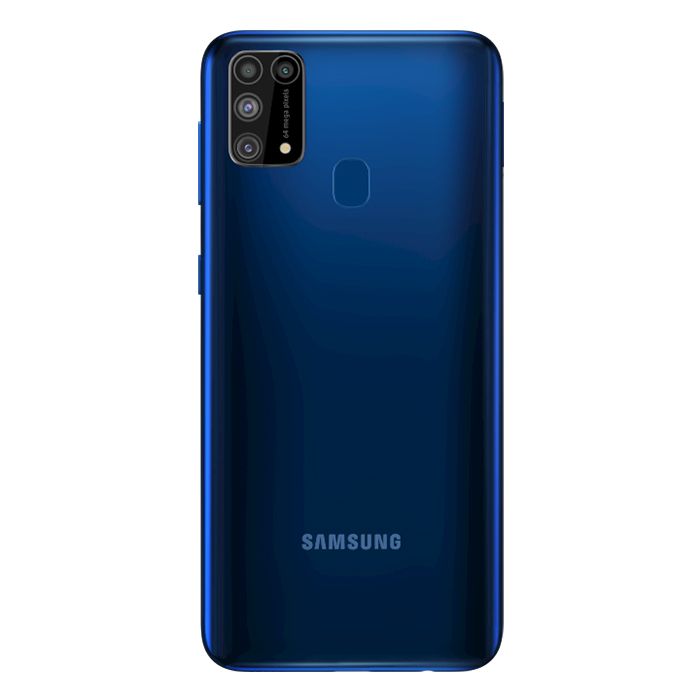
Internally, not much has changed; the Samsung Galaxy M31 is also powered by Exynos 9611 like its predecessor but 6GB RAM now comes as the standard option. In terms of storage, there’s an option between 64GB and 128GB of UFS 2.1 NAND flash storage. The smartphone also retains the massive 6,000mAh battery along with 15W charging while the 6.4-inch Super AMOLED display also remains the same.

In terms of software, the Galaxy M31 now comes with One UI 2.0 based on Android 10 out of the box. Samsung hasn’t made any promises on future updates but the state of software updates appears to be improving significantly. The Galaxy M20 and the M30 received the Android 10 update in December last year, so there’s hope for Android 11 on the Galaxy M31 as well.

Samsung Galaxy M31 Specifications

Specification Samsung Galaxy M31
Colors Ocean Blue, Space Black
Display
  • 6.4-inch Super AMOLED
  • 1080 x 2340
  • 91% screen-to-body ratio
Dimensions & Weight
  • 159 x 75.1 x 8.9 mm
  • 191g
SoC Exynos 9611
  • 4 x ARM Cortex-A73 @ 2.31GHz
  • 4 x ARM Cortex-A53 @ 1.74GHz
  • Mali G72 GPU
RAM and Storage
  • 6GB + 64GB
  • 6GB + 128GB
Expandable Storage Up to 512GB
USB Type-C
Battery and Charging 6,000 mAh
15W Fast Charging
Fingerprint Sensor Rear-mounted
Rear Camera
  • 64MP primary, Samsung GW1, f/1.8
  • 8MP 123° ultra-wide angle sensor, f/2.2
  • 5MP depth sensor, f/2.2
  • 5MP macro camera
Front Camera 32MP

Price & Availability

The Samsung Galaxy M31 will be available in India via Amazon and Samsung’s online store starting March 5th, 12PM IST.

The 6GB/64GB variant is priced at ₹15,999 whereas the 6GB/128GB variant will be priced at ₹16,999. However, for the first few sales, there is an additional discount of ₹1,000 if you purchase the phone on Amazon.

The post Samsung Galaxy M31 with 64MP quad cameras, One UI 2.0 based on Android 10 launches in India appeared first on xda-developers.


from xda-developers https://ift.tt/2wLJ8Hs
via IFTTT

Leaked EU proposal reveals plan to make smartphone batteries easier to replace

Replacing a dead battery on smartphones used to be quite easy not so long ago. It didn’t require any professional help and users could easily pop the back cover open to access the replaceable battery. And having a replaceable battery on your smartphone was more of a norm than an exception. These days, however, replacing a dead battery on your smartphone is a herculean task that requires specialized equipment and poses the risk of voiding the warranty. But this might change soon as the EU is currently mulling over a plan to make smartphone batteries easily replaceable once again.

According to a recent report from Dutch financial publication Het Financieele Dagblad (FD), the EU wants to force electronics manufacturers to facilitate easier battery replacements. Sustainability seems to be the core idea behind this proposal, as easier battery replacements will allow people to use their smartphones for a longer duration, thereby generating lesser electronic waste. A leaked draft for the proposal was recently procured by FD and it reveals that Frans Timmermans, vice-president of the ‘Green Deal’ at the European Commission, will be presenting it mid-March. The EU is reportedly adding the finishing touches to the proposal, which will reportedly enforce wider product recycling, re-use of raw material, and more sustainable production.

The report comes just a couple of weeks after the EU voted in favor of forcing smartphone manufacturers to adopt USB Type-C as the standard port on all devices. The standardization of ports, coupled with easily replaceable batteries, is expected to greatly reduce e-waste. As per the proposal, the onus of reducing e-waste will fall on the manufacturers, who will have to ensure that their devices are easy to repair. They will also need to ensure that replacement parts are made available to the masses which, in turn, is expected to help repair companies. Furthermore, Timmerman has also proposed an EU-wide ban on the destruction of unsold items, which will promote the re-use of raw materials and reduce the waste exports to other countries.

Additionally, in a bid to promote recycling/reuse of old electronics, the EU will work on a European collection system for old mobile phones, tablets, and chargers. On top of all that, the proposal reveals that the EU also wants to focus on more extensive recycling of packaging materials and limit the use of microplastics in products and packaging.


Source: Het Financieele Dagblad

Via: tweakers

The post Leaked EU proposal reveals plan to make smartphone batteries easier to replace appeared first on xda-developers.


from xda-developers https://ift.tt/37QMt4Q
via IFTTT

Huawei Mate Xs First Impressions – A different take on Foldable Smartphones

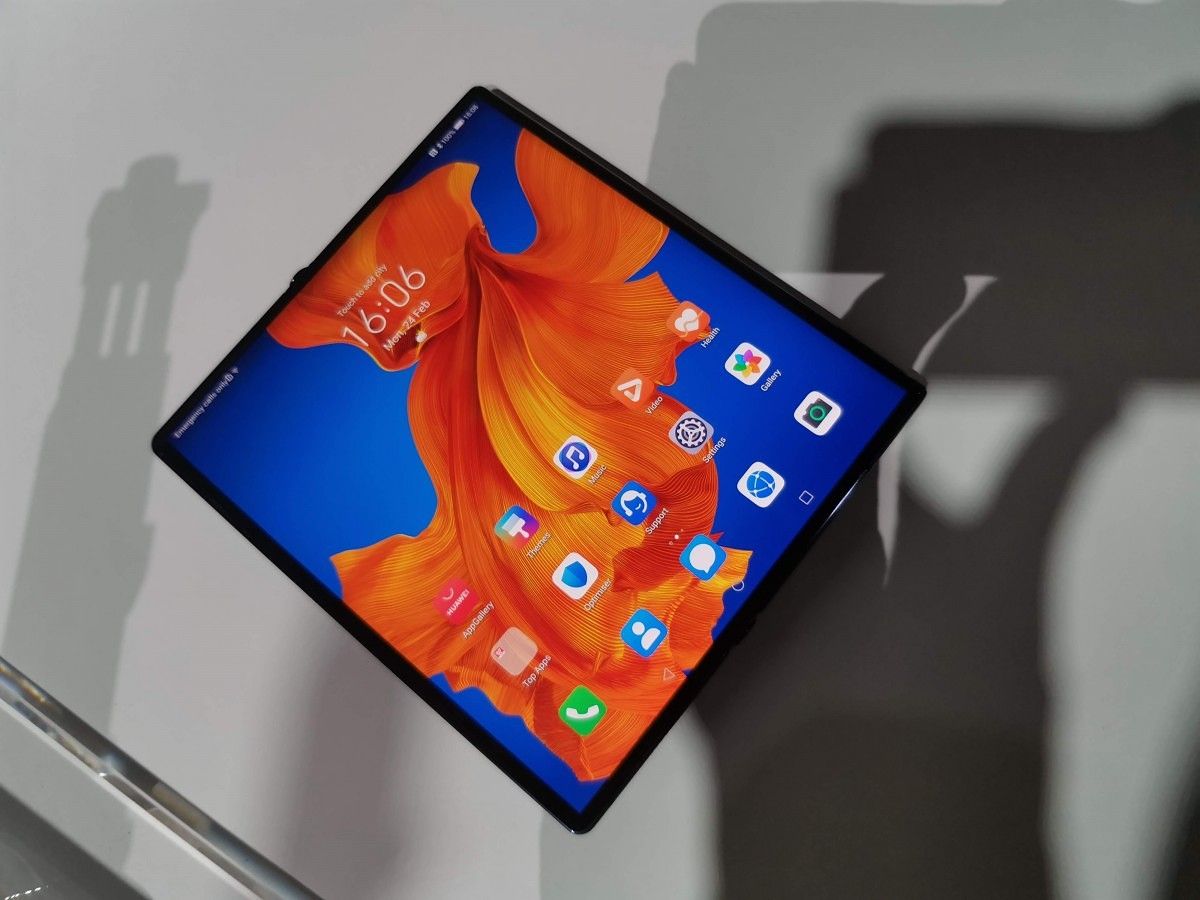
It’s the year of foldable smartphones, it seems. The Samsung Galaxy Z Flip, a Samsung Galaxy Fold 2 in the works, the Motorola RAZR, and now the Huawei Mate Xs want a slice of the pie. Huawei is no stranger to foldable smartphones, though their first device, the Huawei Mate X, only ever launched in China. Its successor, the Mate Xs, just got announced in Barcelona, and we got to spend some hands-on time with it. The foldable Mate Xs does not have Google Mobile Services pre-installed since Huawei is still on the U.S.’s Entity List. Instead, the device includes Huawei Mobile Services, which is the company’s alternative to Google Play Services. Despite this setback, Huawei is going full steam ahead without Google and with their own vision on what foldable smartphones should look like.

Huawei Mate Xs Forums

Specifications

The Huawei Mate Xs is definitely top-tier when it comes to specifications, though you’d hope that’s the case at a price of €2,499. Huawei’s take on the foldable form factor is different than Samsung’s or Motorola’s. Huawei’s devices involve a display that wraps around the outside, rather than being protected on the inside of some kind of a clamshell design. The Mate Xs has a plastic screen that doesn’t feel any different from the Huawei Mate X. In contrast, the new Galaxy Z Flip notably features an ultra-thin layer of glass, though we’ve seen that the glass is more for form than function. Because the screen of the Mate Xs wraps around the device, there’s no need for a secondary display. Huawei claims that the Mate Xs has a durable “quad-layer” display along with a redesigned hinge mechanism to further prevent any accidental damage. The display is composed of two layers of polyamide film, followed by the flexible OLED display, a soft polymer for cushion, and finally a layer that connects the display to the body.

The Huawei Mate Xs is also powered by the HiSilicon Kirin 990 chipset, which launched alongside the Huawei Mate 30 last year. It has 8GB of RAM, 512GB of storage, and a 4,500 mAh battery.

Camera-wise, the Huawei Mate Xs is packing a main 40MP camera, an 8MP telephoto camera, a 16MP wide-angle camera, and a depth-sensing camera. All of these cameras are housed on the “rear,” but when the screen is folded, they can face the user. Speaking of the display again, it’s 8-inches in tablet mode and 6.6-inches when folded.

Huawei Mate Xs design

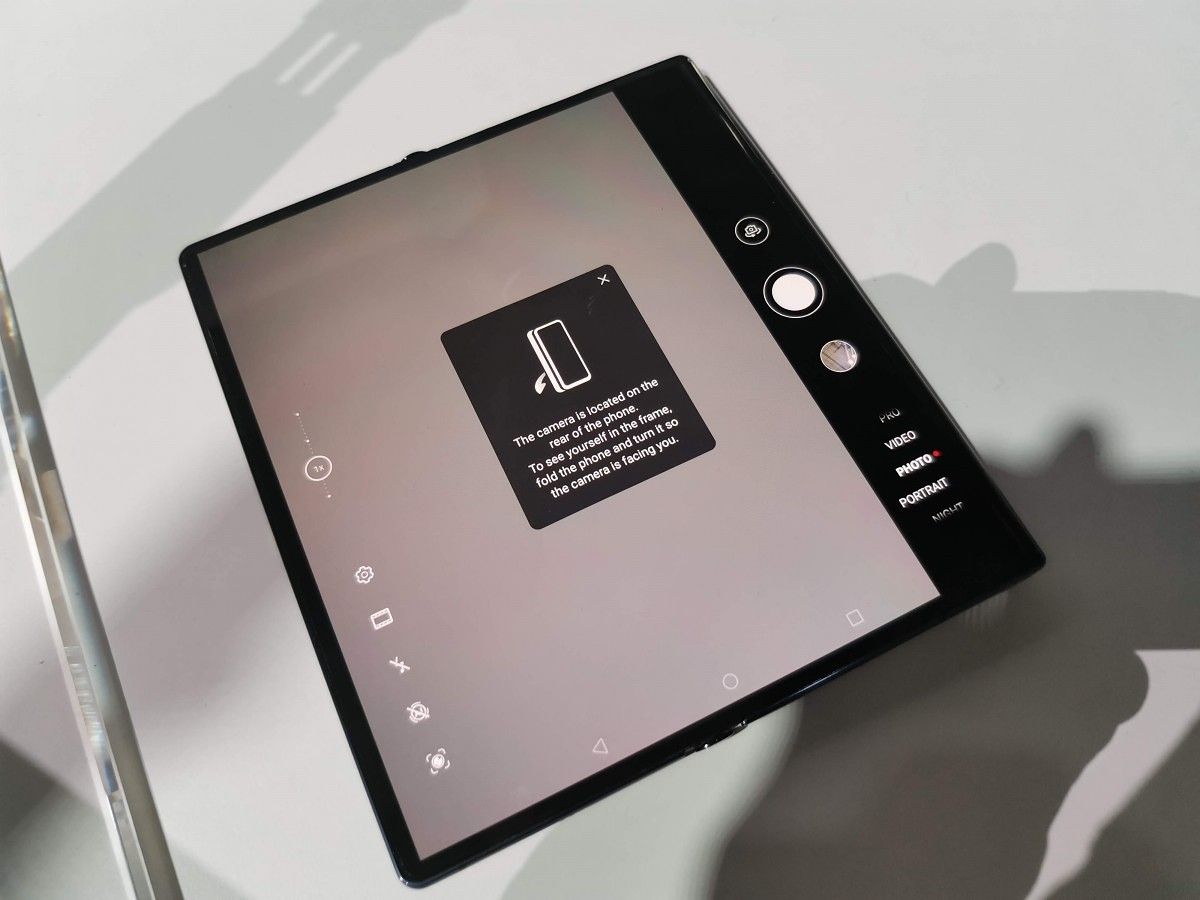
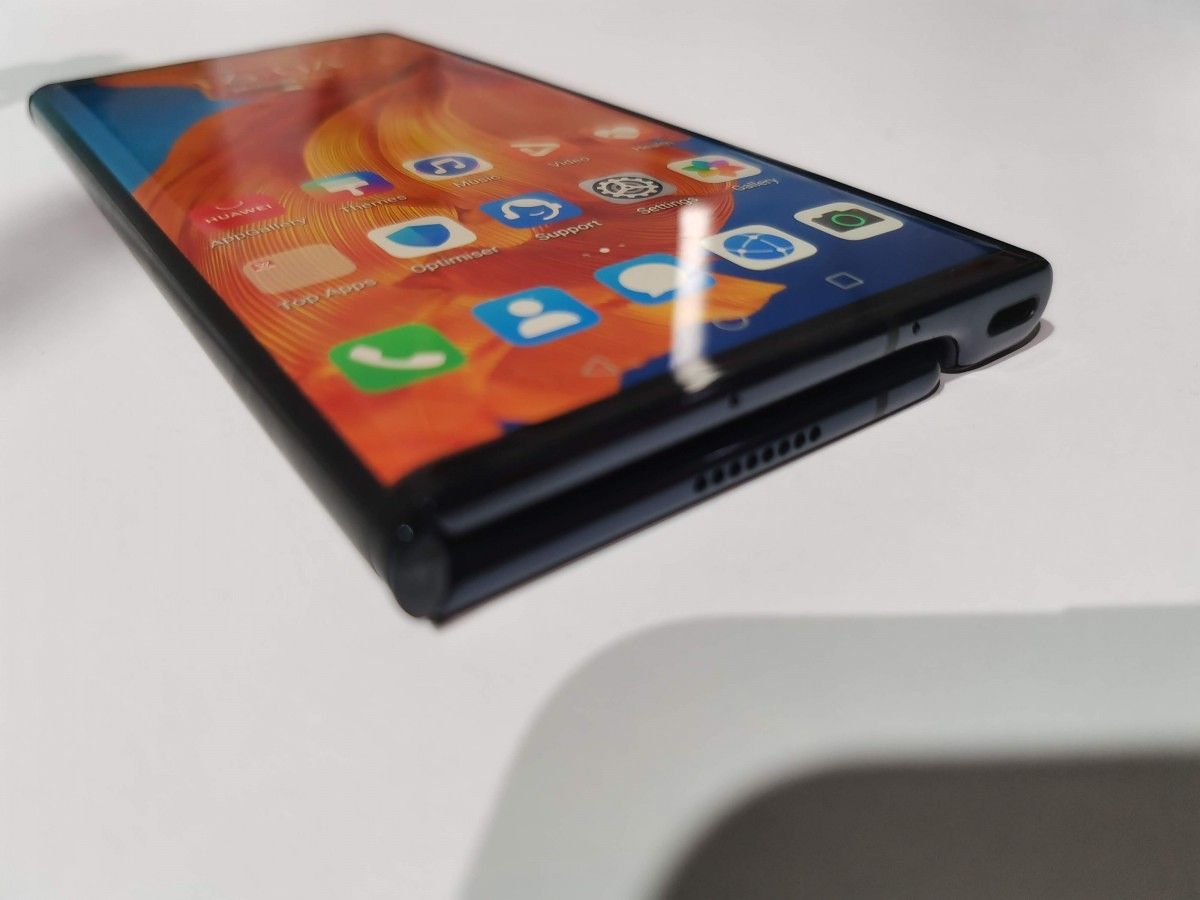
Huawei is very proud of the Mate Xs design, particularly when it comes to the lack of a notch, the design of the hinge internally, and the lack of a gap when the device is folded over. While there is indeed no notch and no gap, it can be quite annoying to take selfies, and it can also be quite a thick device. When trying to take a selfie, you need to fold the device, open the camera, activate the selfie camera, and then turn around the device to use the other screen. You can then keep using it like this if you want, though the phone will leave a large annoying message at the bottom of the display so that you don’t.

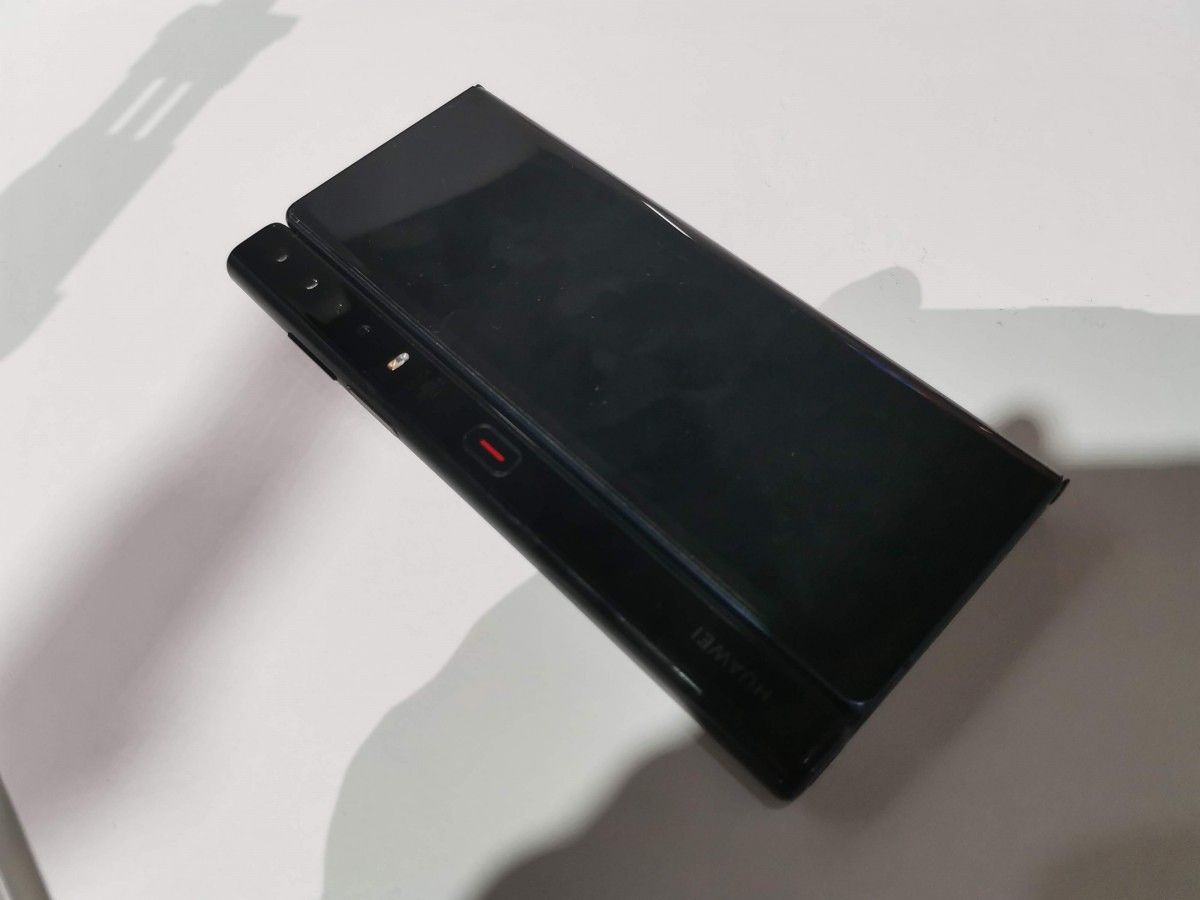
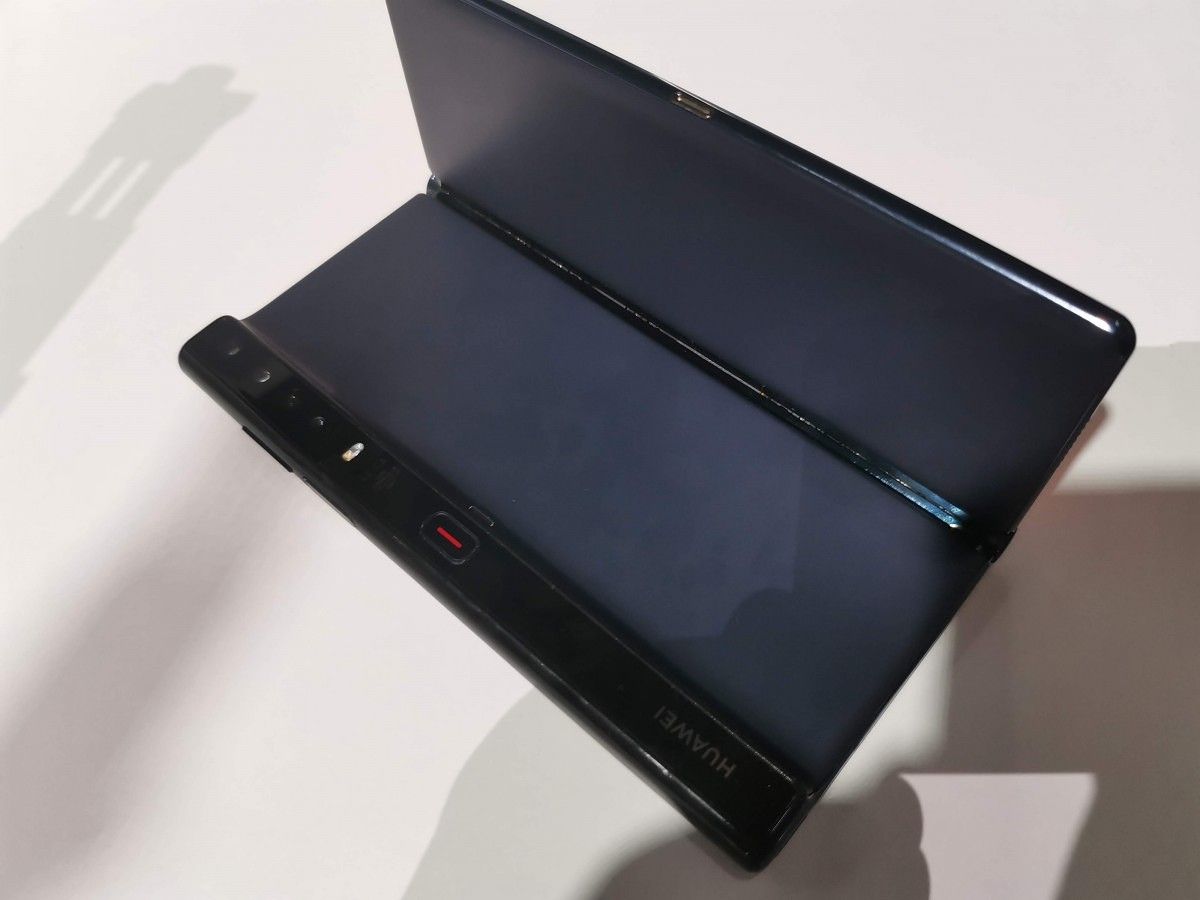
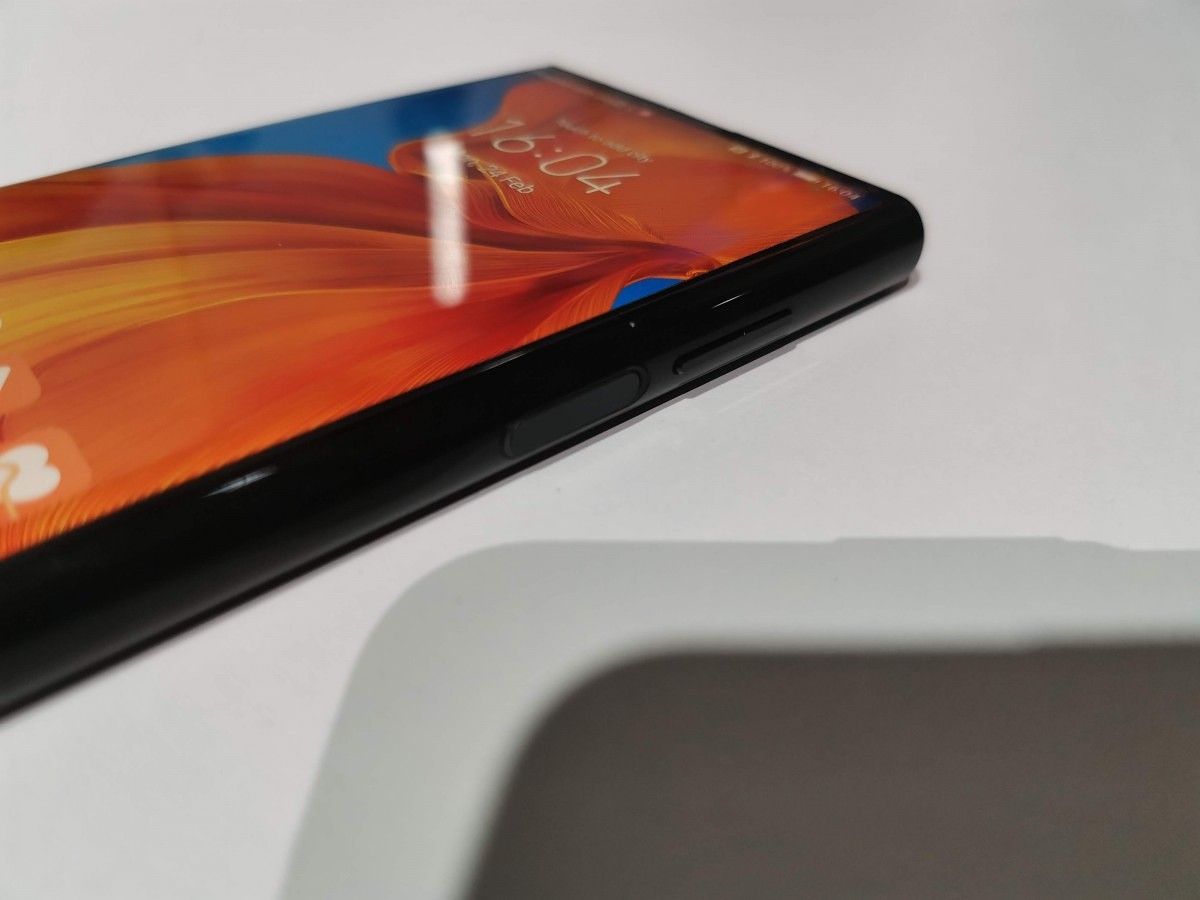
As for how the actual folding part of the Huawei Mate Xs works, it’s rather simple. When the device is folded entirely over, you can press an ejection button on the back (the button with a red stripe) which will release it and flip it halfway out. You then just need to pull it to open the rest.

Huawei Mate Xs Huawei Mate Xs Huawei Mate Xs Huawei Mate Xs

The four stages of opening the Huawei Mate Xs

From there, you can use the Huawei Mate Xs just like you would any other Android tablet. Watch YouTube, play games, browse the internet, etc. When you want to put it away again, simply fold it back up again into its phone form.

huawei mate xs huawei mate xs huawei mate xs

Unlike with the Samsung Galaxy Fold, the Huawei Mate Xs doesn’t really have any compromises when it’s in phone mode. The screen isn’t a tiny placeholder to be used only when you can’t unfold the device – it’s entirely serviceable by itself. Sure it’s plastic and that’s a downside, but if you’re careful with the device things should be okay. However, nobody has had one of these for long enough to pass the test of time quite yet.

Entering the fold

The Huawei Mate Xs is, more or less, the same device as the Huawei Mate X but with one or two key upgrades. It feels basically the same but has a newer chipset, redesigned hinge, and a better hinge mechanism. While I didn’t get enough time with the Mate Xs to test more than just the pre-installed applications, it was a lot of fun to play with to see how apps reacted to the device folding and unfolding. For example, the settings application would change from tablet mode to phone mode when you folded and unfolded the device; simple stuff that you’d expect to be the case, but may not necessarily have been implemented by Huawei. The Huawei Mate Xs is certainly a unique take on the foldable smartphone, but with Huawei pushing a launch without Google Apps on board, it might be a tough sell, especially at its €2,499 price.

The post Huawei Mate Xs First Impressions – A different take on Foldable Smartphones appeared first on xda-developers.


from xda-developers https://ift.tt/2HPiJe6
via IFTTT

WhatsApp for Desktop’s latest update contains hidden dark mode

We first saw evidence of a dark theme coming to WhatsApp back in March last year. The Facebook-owned messenger, which boasts of over 1.5 Billion monthly active users as of early 2018, kept dropping hints of the upcoming dark theme all the way until late last year in November. While other apps from Facebook, including Messenger and Instagram, received dark themes on Android, WhatsApp’s dark theme was still nowhere to be seen. Then, earlier this year in January, WhatsApp on Android finally received a dark theme on the beta channel. But sadly, there was still no dark theme for the desktop version of the app. Now, it seems like the developers are finally coming around to including a dark theme on the desktop version.

WhatsApp desktop dark theme code

If you’ve been following our coverage of WhatsApp’s elusive dark theme, you’d already know that there’s a styling mod for WhatsApp for desktop that themes the desktop client with a dark theme. The mod in question was developed by XDA Member m4heshd, who has now uncovered evidence that suggests that the desktop version could soon get a dark theme officially. In a recent post on our forums, m4heshd shared screenshots of strings of code in the source of the latest WhatsApp desktop build (v0.4.930) that point towards a native dark theme for the messenger.

As you can see in the screenshot above, the native dark theme for WhatsApp for desktop looks a lot like the dark theme we’ve seen on Android devices. However, since the feature is still in development as of this moment, WhatsApp might make some changes to it before it’s released to the public. As of now, there’s no official information from WhatsApp regarding the upcoming dark theme for desktop.


Source: XDA Forums

The post WhatsApp for Desktop’s latest update contains hidden dark mode appeared first on xda-developers.


from xda-developers https://ift.tt/2wFKMu0
via IFTTT

iQOO 3 launches in India with Snapdragon 865 in both 4G and 5G variants

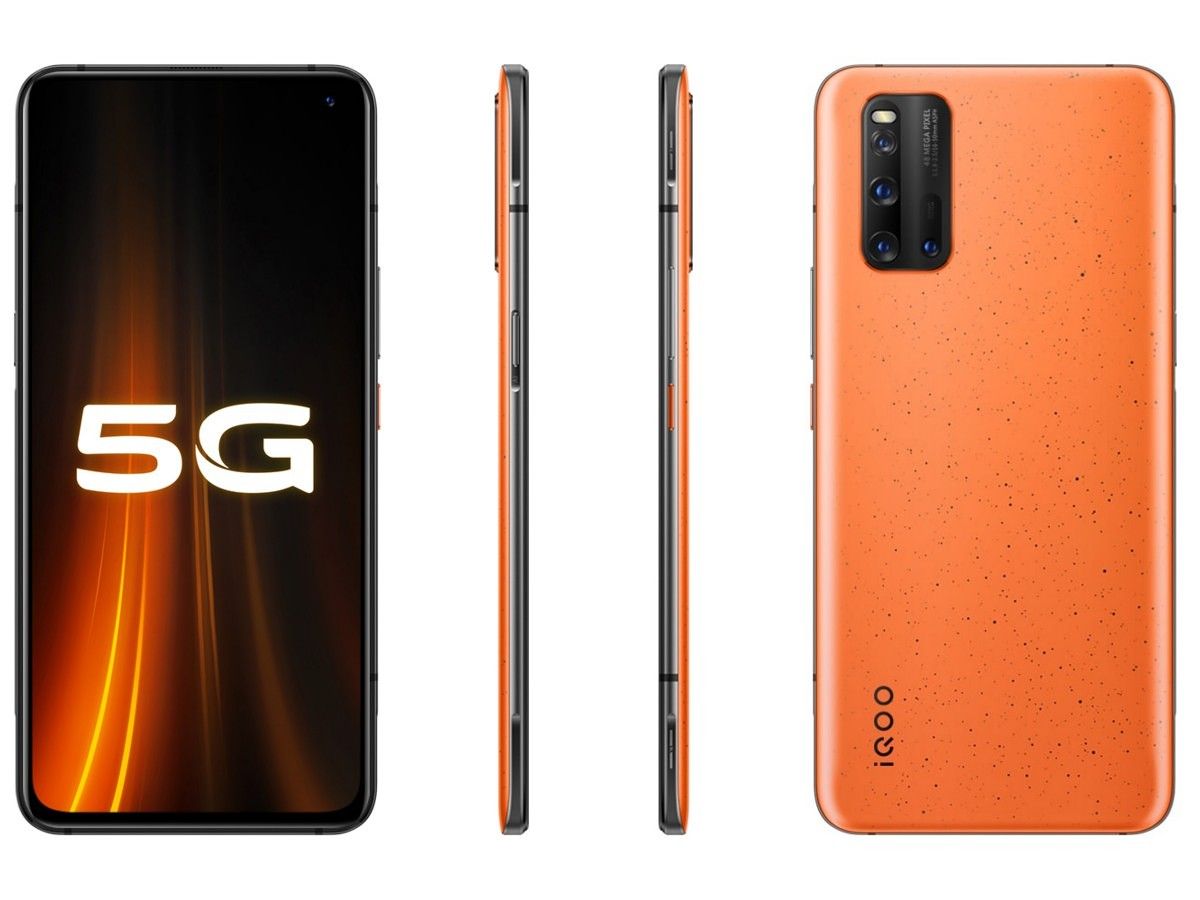
If you aren’t familiar with iQOO, we wouldn’t blame you. About a year ago, Vivo started selling premium gaming smartphones in China under the iQOO sub-brand. iQOO-branded smartphones spent most of 2019 staying within the Chinese market, but Vivo decided to expand the iQOO brand into India, where it will operate as a separate brand while sharing Vivo’s manufacturing facilities. The decision to operate iQOO as a separate entity in India can be seen as an attempt by Vivo to sell premium smartphones without changing the perception of the Vivo brand. Thus, iQOO has arrived in India with its first smartphone, the iQOO 3, and there’s plenty to talk about this 5G gaming smartphone.

iQOO 3

iQOO 3 5G: Specifications

Specification iQOO 3 5G/4G
Dimensions and Weight
  • 158.5 x 74.88 x 9.16 mm
  • 214.5g
Display
  • 6.44″ FHD+ (2400 x 1080) Super AMOLED;
  • Punch-hole display;
  • HDR10+;
  • 180Hz Touch Response Rate
  • Schott Xensation UP for the front, Gorilla Glass 6 for the back
SoC Qualcomm Snapdragon 865:
  • 1x Kryo 585 (ARM Cortex A77-based) Prime core @ 2.8GHz
  • 3x Kryo 585 (ARM Cortex A77-based) Performance cores @ 2.4GHz
  • 4x Kryo 385 (ARM Cortex A55-based) Efficiency cores @ 1.8GHz

Adreno 650

RAM and Storage
  • 4G:
    • 8GB LPDDR5 + 128GB UFS 3.1
    • 8GB + 256GB
  • 5G:
    • 12GB + 256GB
Battery & Charging
  • 4,440 mAh battery
  • 55W FlashCharge fast charging
Rear Camera Photo:
  • Primary: 48MP Sony IMX582, f/1.79
  • Secondary: 13MP, f/2.46, Telephoto
  • Tertiary: 13MP, f/2.2, Wide-Angle Camera
  • Quaternary: 2MP, f/2.4, Depth Sensor

Video:

  • 4K @ 60fps
Front Camera
  • 16MP Samsung S5K3P9SP04-FGX9, f/2.45
Other Features
  • 3.5mm headphone jack
  • Bluetooth 5.1
  • Wi-Fi – 2.4GHz, 5.1GHz, 5.8GHz
  • Dual-frequency GPS
  • 2x “Monster Touch” Pressure Sensitive buttons on side frame
  • In-Display Fingerprint Scanner
Android Version iQOO UI 1.0 based on Android 10
Network
  • 5G: N41/77/78
  • 4G+: B1/3/5/8/39/40/41/38
  • 4G FDD_LTE: B1/2/3/4/5/7/8/12/17/18/19/20/25/26
  • 4G TDD_LTE: B34/38/39/40/41
  • 3G: B1/2/4/5/8
  • 2G: B2/3/5/8

As the specifications would imply, the iQOO 3 attempts to be a gaming phone. iQOO also wanted it to be India’s first 5G smartphone, but Realme beat them to that with the Realme X50 Pro that was launched a day prior and went on sale immediately. However, iQOO does get the credit for a fair few other firsts: the iQOO 3 is the first smartphone to come in 4G and 5G variants with Snapdragon 865 in both of them, and the first smartphone with UFS 3.1 storage. And while other parts of the phone may not be “firsts”, that doesn’t take away from the fact that they are equally impressive. For instance, there aren’t many differences between the 4G and 5G variant — to the best of our knowledge, the difference is restricted to hardware and software that enables 5G. The phone also has a 6.44″ FHD+ Super AMOLED display with a claimed peak brightness of 800 nits and HDR 10+ certification, along with 180Hz touch response rate (not to be confused with display refresh rate though).

The iQOO 3 also comes with the flagship Qualcomm Snapdragon 865 SoC, coupled with 8/12GB LPDDR5 RAM and 128/256GB of UFS 3.1 storage — all of which combined should give you a very competitive gaming phone for early 2020. We are slightly disappointed by the absence of high refresh rate on the display since that would have played in very well with the gaming characteristics of the phone — but you do get high touch response rate. The pressure-sensitive buttons on the right-side frame ensure that you get trigger buttons that can be mapped to different in-game functions, streamlining your game experience. There’s a healthy 4,400 mAh battery to ensure your gaming sessions last long, and 55W FlashCharge fast charging too that claims to charge 50% of the battery in 15 minutes, which is very impressive keeping in mind the size of the battery.

The camera specification on the phone also is up to the mark, on paper at least. Gaming phones have not been known to be excellent camera performers, so we won’t be too harsh on this end. The rear camera duties are handled by the Sony IMX582 (and not the IMX586), coupled with a telephoto, a wide-angle and a depth sensor for added versatility. The front camera is a 16MP shooter residing in the hole punch in the top right corner of the phone.

The iQOO 3 comes in three colors: Volcano Orange, Quantum Silver, and Tornado Black.

Pricing and Availability

As mentioned before, the iQOO 3 comes in two variants: a 4G variant and a 5G variant:

  • 4G:
    • 8GB + 128GB: ₹36,990 ($515)
    • 8GB + 256GB: ₹39,990 ($557)
  • 5G:
    • 12GB + 256GB: ₹44,990 ($626)

The phone will go on sale from 4th March 2020 and will be available via Flipkart and iQOO.com. Launch offers for the phone include ₹3,000 cashback on ICICI Bank Debit and Credit Cards.

iQOO 3 Forums

The post iQOO 3 launches in India with Snapdragon 865 in both 4G and 5G variants appeared first on xda-developers.


from xda-developers https://ift.tt/2vZBMQa
via IFTTT

lundi 24 février 2020

Redmi K30 Pro is the next flagship smartphone from the Xiaomi spin-off brand

Last year’s Redmi K20 Pro was inarguably one of the best ‘flagship killers’ from the company. The device offered top-of-the-line hardware at a very affordable price point, making it one of the most popular handsets in emerging markets like India. Back in December last year, Xiaomi’s spin-off brand Redmi launched a follow up to the device — the Redmi K30 — in China, however, the device featured mid-range specifications which meant that it wasn’t a true successor to the flagship killer from last year. Earlier this month we learned that the company was planning to launch a more appropriate successor to the Redmi K20 Pro (review), featuring Qualcomm’s flagship Snapdragon 865 chip. Now, the company has officially released the first teaser image for the upcoming Redmi K30 Pro.

Redmi K30 Pro teaser

In a recent post on Chinese social media platform Weibo, Redmi’s Lu Weibing has shared an announcement poster for the Redmi K30 Pro, giving us our first look at the upcoming device. Unlike the Redmi K30, the K30 Pro doesn’t feature a hole-punch cutout for the selfie camera(s) which leads us to believe that the device will, most likely, feature a pop-up selfie camera, much like the one on last year’s Redmi K20 Pro. While it is quite possible that Redmi may have included an under-display camera on the device if we take into account the company’s statement from earlier this year, that move seems unlikely.

The poster further reveals that the upcoming Redmi K30 Pro will feature 5G support, much like the Redmi K30 5G, but the company hasn’t revealed if there will be a 4G model for the smartphone as well. Other than that, Weibing talks about the device being a “true flagship” and not the “beggar version”, but reveals no further details about the Redmi K30 Pro’s specifications. Redmi is planning to launch the device next month and we expect the company to share more information about the Redmi K30 Pro in the days leading up to its launch.


Source: Weibo

The post Redmi K30 Pro is the next flagship smartphone from the Xiaomi spin-off brand appeared first on xda-developers.


from xda-developers https://ift.tt/2PksdSw
via IFTTT

OPPO reschedules its Find X2 launch event for March 6th

OPPO had a solid 2019 with the launch of the Reno lineup, the company’s return to the upper-mid-range and flagship space. Although the Reno 10X Zoom (our review) packed a flagship processor and an excellent periscopic telephoto camera, it wasn’t a true successor to the premium OPPO Find X that was introduced back in 2018. That phone first took the concept of a notch-less display with a pop-up camera to the premium smartphone market. It is not news to anyone that the company is planning to release a follow up to this device called the OPPO Find X2. The Find X2 was set to be announced in Barcelona during MWC 2020, but the phone’s launch was pushed back due to MWC canceling the entire event over COVID-19 concerns. Now, though, OPPO’s new launch event has been confirmed to be held on March 6th.

The event will see the introduction of the OPPO Find X2 series, which includes the Find X2 and the Find X2 Pro. Some of the specifications that have already been confirmed, either by OPPO themselves or through certification filings, including the Qualcomm Snapdragon 865 SoC, a 120Hz QHD+ display, and Sony’s new 2×2 On-Chip Lens solution. In addition, a new Bluetooth SIG listing for model name CPH2025, which Thailand’s NBTC certification filing confirms is the OPPO Find X2 Pro, confirms a WQHD+ 6.7-inch display, a triple 48MP+48MP+13MP rear camera setup, and a 32MP front-facing camera which, according to leaks, is housed in a single hole punch setup. Lastly, the listing also mentions it will be running ColorOS 7.1, which will presumably be based on Android 10.

OPPO Find X2 Bluetooth SIG

The OPPO Find X2 seems fit to be another flagship hit from the company, and we are really looking forward to its launch.

OPPO Find X2 Forums

The post OPPO reschedules its Find X2 launch event for March 6th appeared first on xda-developers.


from xda-developers https://ift.tt/2HRko2D
via IFTTT