LightBlog

mardi 21 avril 2020

Google Duo adds AV1 support to improve video calls, Moment screenshot captures, and saving messages

Millions of people are stuck at home due to shelter-in-place or stay-at-home orders, making it impossible for many people to see their friends and family face-to-face. Fortunately, we live in an age where it’s possible to see each other virtually using a video calling app. Google Duo is a popular video and audio calling application because it’s part of Google’s core mobile services on top of being a great, easy-to-use application. Now, it’s getting even better with the addition of new features, both user-facing and at the back end.

AV1 Video Codec for Video Calls

Earlier this month, Google detailed how their WaveNetEQ machine learning model can improve audio quality in Duo. Today, Google has announced they’re enabling the use of the AV1 (AOMedia Video 1) video codec for video calls. This will improve video call quality and reliability, especially if you have a low bandwidth connection. AV1 is a royalty-free video codec that’s designed to replace H.264 as the codec of choice for online streaming and media consumption. Videos encoded in AV1 lose less detail during compression when compared to videos encoded in H.264. The one downside of the AV1 video codec is that no mobile processor, except for the MediaTek Dimensity 1000, supports hardware decoding for it. That means Google Duo video calls encoded in AV1 may be more performance-intensive to playback and hence drain more battery.

Side by side comparison of an incoming video call at 30kbps with Google’s new AV1 (AOMedia Video 1) video codec technology on the left.

It is unclear if AV1 will be used for all video calls or only for low bandwidth situations.

“Duo Moments”

Back in December, we spotted evidence that Google would allow users to capture a side-by-side screenshot of the video call as a “Moment.” This feature is now live in the latest Google Duo release. When a person captures a Duo moment, every participant in the video call will be notified and the image saved to each participants’ image library. To enable Moments, go to Settings > Call settings and turn on Duo moments. All video call participants must have the feature enabled to capture a Duo moment, though users can still take screenshots of the video call without having Duo moments enabled.

Saving Messages

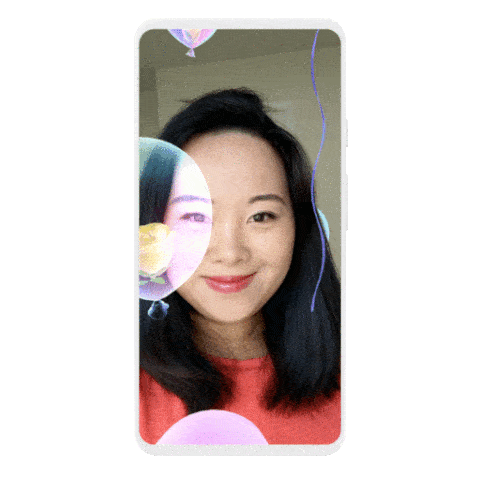
Google Duo allows users to send personalized voice and video messages to contacts when the recipient isn’t able to answer a call. Google has expanded upon the Messages feature since its initial release by adding emoji reactions, AR effects, notes and doodles, and more. Soon, users will be able to save messages that are sent to them. Previously, messages would automatically expire after 24 hours.
We’ve recently learned the company is planning on rolling out closed captions for Messages, but they have not yet made an announcement about this feature.


In late March, Google increased the group call size limit to 12 participants. In the coming weeks, Google will increase this limit even further. We’ll update you when we spot new features or if Google makes any announcements. You can download the latest version of the Google Duo app from the Play Store link below.

Google Duo - High Quality Video Calls (Free, Google Play) →

The post Google Duo adds AV1 support to improve video calls, Moment screenshot captures, and saving messages appeared first on xda-developers.


from xda-developers https://ift.tt/3cIehLH
via IFTTT

T-Mobile expands its 5G network with Sprint’s mid-band spectrum, nationwide 5G coming for Sprint customers

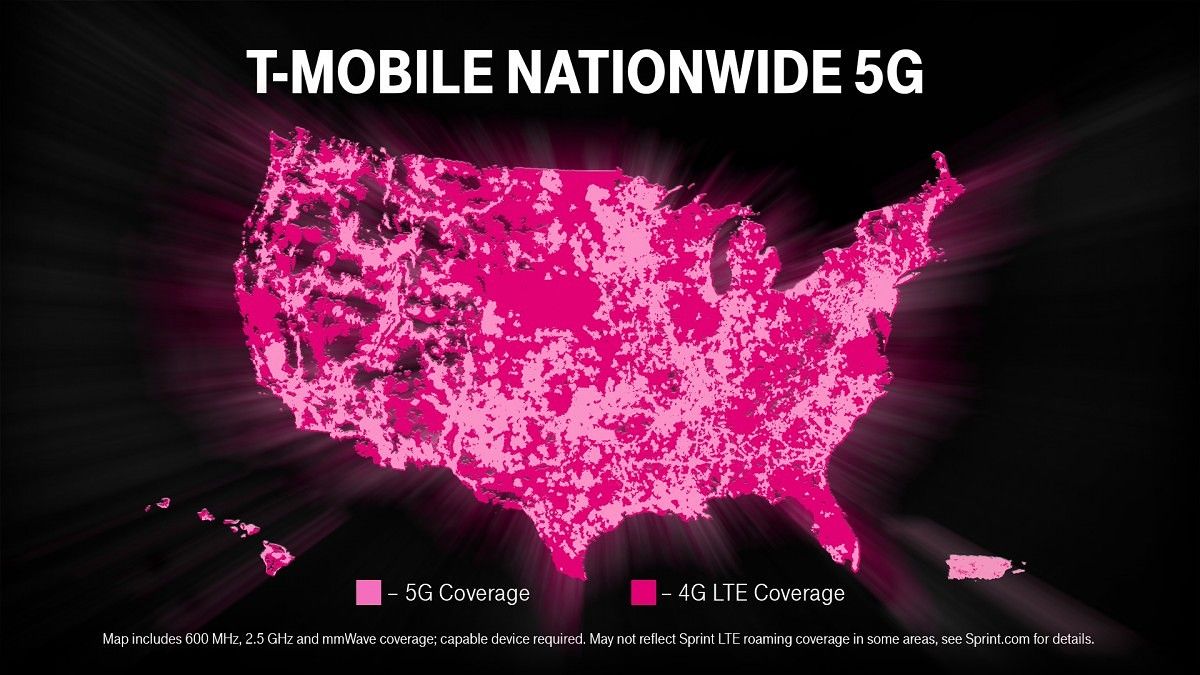
T-Mobile and Sprint officially completed their merger at the beginning of this month. While some of the eventual benefits will take a while to be put in motion, others can be rolled out sooner. Today, T-Mobile is announcing a number of immediate changes, including expanding its network with Sprint’s spectrum.

First, T-Mobile is expanding its 5G network with the addition of Sprint’s 2.5GHz mid-band spectrum. This is now live in parts of Philadelphia and will be coming soon to parts of New York City. Once live in NYC, it will be the first city with low-band, mid-band, and mmWave 5G. Mid-band 5G, as you might expect, is in-between the low-band and mmWave frequencies in terms of coverage area and maximum speeds. T-Mobile boasts peak download speeds of 600Mbps with this 2.5GHz spectrum. The Sprint OnePlus 7 Pro 5G currently takes advantage of the mid-band frequencies for 5G connectivity, but soon more 5G-capable devices will benefit from this expanded network, including the upcoming OnePlus 8 5G.

Speaking of which, the second announcement from T-Mobile is that Sprint customers with the Samsung Galaxy S20 5G will get access to T-Mobile’s sub-6GHz (600MHz) low-band 5G network in more than 5,000 locations across the United States. Support for connecting to T-Mobile’s 5G network will be rolling out later this month. T-Mobile has also announced that they are expanding their low-band 5G network to Detroit, St. Louis, and Columbus, Ohio.

Today’s news isn’t only about 5G, though. Perhaps the most important news of the day is that Sprint customers can now roam on T-Mobile’s LTE network. This means that Sprint customers will immediately have more than double the LTE sites, providing much better coverage in some areas. If you’re a Sprint customer who previously had spotty LTE coverage, things could get a lot better now. These announcements are just the beginning of what’s in store for the carrier following the Sprint merger.


Source: T-Mobile

The post T-Mobile expands its 5G network with Sprint’s mid-band spectrum, nationwide 5G coming for Sprint customers appeared first on xda-developers.


from xda-developers https://ift.tt/2KoY0z2
via IFTTT

Download: Samsung Home Up is a Good Lock module that lets you customize One UI Home

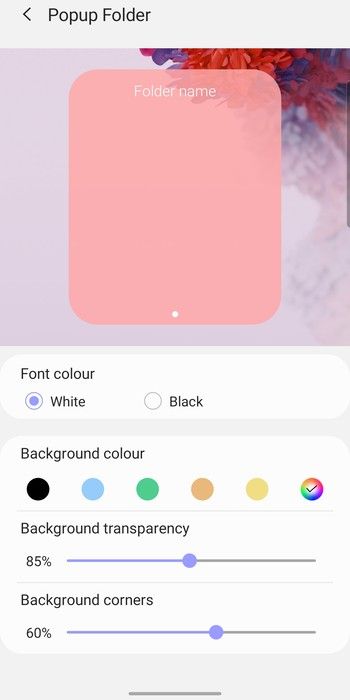
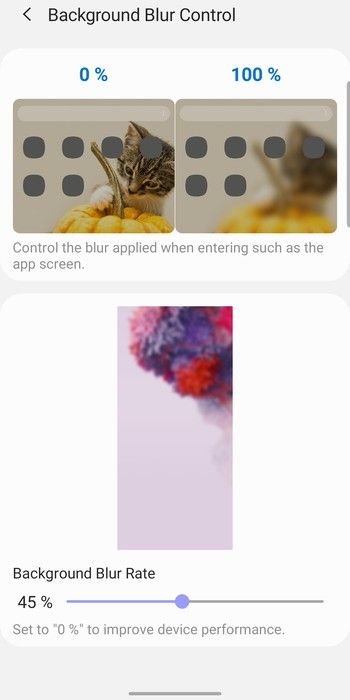
Samsung’s Good Lock suite is undoubtedly the best set of first-party customization tools you can get. The Korean OEM took a modular approach while designing the tool, which enables them to easily add support for new Android versions or extend the scope of an existing module. They have now introduced a brand new module named “Home Up” that allows users to modify every little aspect of the stock One UI launcher, such as home screen layout and folder properties.

samsung_good_lock_home_up_listing samsung_good_lock_home_up

Back in December 2019, Samsung released another Good Lock module named Theme Park with the sole intention to offer the freedom of creating personalized themes to Galaxy device owners depending on their current wallpaper. The company is now going one step further in the customization game, as the Home Up module can reshape home screen folders with new pop up style and automatically suggest folder title using machine learning. Samsung might have taken the inspiration from Google, as auto-folder naming can be achieved by Pixel Launcher on the Android 11 Developer Preview as well.

samsung_good_lock_home_up_folder_title samsung_good_lock_home_up_popup_folder

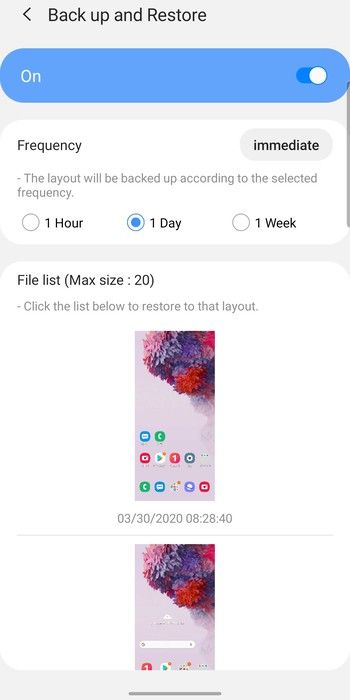
Home Up also provides an option to backup the custom layout, which can be later restored using the inbuilt wizard. Interestingly, the module requires only the “Storage” permission to operate, which indicates that the saved layouts are being stored locally without being synced with a Samsung account.

samsung_good_lock_home_up_backup_restore samsung_good_lock_home_up_background_blur

At the time of reporting, the initial version of Home Up (build 1.0.00.19) is available on the Galaxy Store. If you can’t access it (or the whole Good Lock suite) due to region restrictions, you should opt for NiceLock and its companion app. XDA Senior member xantrk, i.e. the developer of NiceLock, has also mirrored the APK of Home Up so you can manually sideload this Swiss Army knife for home screen customization.

Download Samsung Home Up from the Samsung Galaxy Store

Download Samsung Home Up from XDA


Via: /r/Samsung

The post Download: Samsung Home Up is a Good Lock module that lets you customize One UI Home appeared first on xda-developers.


from xda-developers https://ift.tt/2VrDW5f
via IFTTT

Xiaomi may be working on a clamshell foldable smartphone like the Galaxy Z Flip

The introduction of foldable smartphones to the market was perhaps the most exciting thing to come out of last year. This year, we expect to see more smartphone makers join the fray as the display technology matures and the cost to produce foldable displays goes down. Right now, there are two different types of foldable smartphones: the Galaxy Fold-style devices that fold horizontally and the Galaxy Z Flip-style devices that fold vertically like the old clamshell phone design. Samsung’s Galaxy Z Flip and Motorola’s Razr are the only two clamshell foldable smartphones on the market right now, but it seems that Xiaomi is preparing to launch its own clamshell foldable smartphone later this year.

The Galaxy Z Flip has a bendable “Ultra Thin Glass” OLED display underneath a layer of protective plastic. The Motorola Razr, meanwhile, simply has a bendable plastic OLED display. The Galaxy Z Flip’s display is manufactured by Samsung Display while the Motorola Razr’s display is dual sourced from Chinese display makers BOE and CSOT. According to a report from ZDNet Korea citing electronics component industry insiders, Xiaomi has requested that Samsung Display supply them with a clamshell-type flexible OLED display similar to the one found in the Galaxy Z Flip. The report goes on to say that Xiaomi may also source clamshell foldable OLED displays from LG Display, who reportedly previously supplied foldable displays to Huawei. The report quotes an unnamed insider in the display industry who says that the foldable panels currently produced by BOE and CSOT are of a lower quality than those produced by Samsung Display, which is why Xiaomi went with Samsung Display.

Mass production of Xiaomi’s clamshell foldable is expected to begin in the second half of 2020. We don’t know the specifications, pricing, or availability of Xiaomi’s clamshell foldable smartphone, but we can expect that it’ll pack flagship-level hardware and a premium price tag. We also don’t know what the phone will actually look like, but recent patent filings unearthed by LetsGoDigital and TigerMobiles may give us a hint. Based on these patents, smartphone concept designer Waqar Khan, in collaboration with tech blog WindowsUnited, created a render of what Xiaomi’s clamshell foldable smartphone may look like, as shown in the featured image above.


Featured image credits: WindowsUnited.de/@WaqarKhanHD

The post Xiaomi may be working on a clamshell foldable smartphone like the Galaxy Z Flip appeared first on xda-developers.


from xda-developers https://ift.tt/2xLsQPu
via IFTTT

It’s now free for any business to list products on Google Shopping

While many people have probably used Google Shopping, it’s one of Google’s lesser-known services. On the surface, it seems like a simple aggregator for online shopping, but there’s actually more going on. Previously, businesses had to pay to appear in Google Shopping. Now, the company is letting any business owner list products for free.

It’s critical for businesses to get their products to appear in Google search results. Appearing in the more specialized Google Shopping results, where people are actively looking to spend money, is even more important. Google says they know “many retailers have the items people need in stock and ready to ship, but are less discoverable online.” This change means more exposure for those businesses and more options for shoppers.

The new free option will begin rolling out on April 27th in the US and worldwide over the next few months. Businesses can still pay for higher placement, but Google says the results will consist primarily of free product listings. Those businesses that were already paying to list products will immediately be able to list their full inventories. New users can apply for free listings through the Merchant Center.

As part of this news, Google is announcing a new partnership with PayPal to allow merchants to link their accounts and accept online payments. Google says this will speed up the onboarding process and “ensure we’re surfacing the highest quality results for our users.” The company is also working with Shopify, WooCommerce, and BigCommerce to make sure they can shift easily to Google Shopping.

Google says they have been working toward this change for a while. The COVID-19 pandemic and a huge shift toward online shopping accelerated those plans. This change puts Google Shopping more in line with Amazon, who similarly only charges merchants to promote products for higher placement. Obviously, Google isn’t doing any shipping, but it could mean more people starting to go to Google instead of Amazon to find products.

Google Shopping: Discover, compare prices & buy (Free, Google Play) →


Source: Google

The post It’s now free for any business to list products on Google Shopping appeared first on xda-developers.


from xda-developers https://ift.tt/3eFoQkl
via IFTTT

YouTube Premium subscribers in some countries are getting free monthly channel memberships

YouTube Premium was launched back in May 2018 as a way to allow users to enjoy content on YouTube without any ads, much like YouTube Red. Over time, the service was expanded to more regions, and more features like 1080p offline downloads, were also rolled out. Google is now expanding the benefits that YouTube Premium subscribers get in some regions, by offering them free monthly channel memberships.

YouTube membership for premium

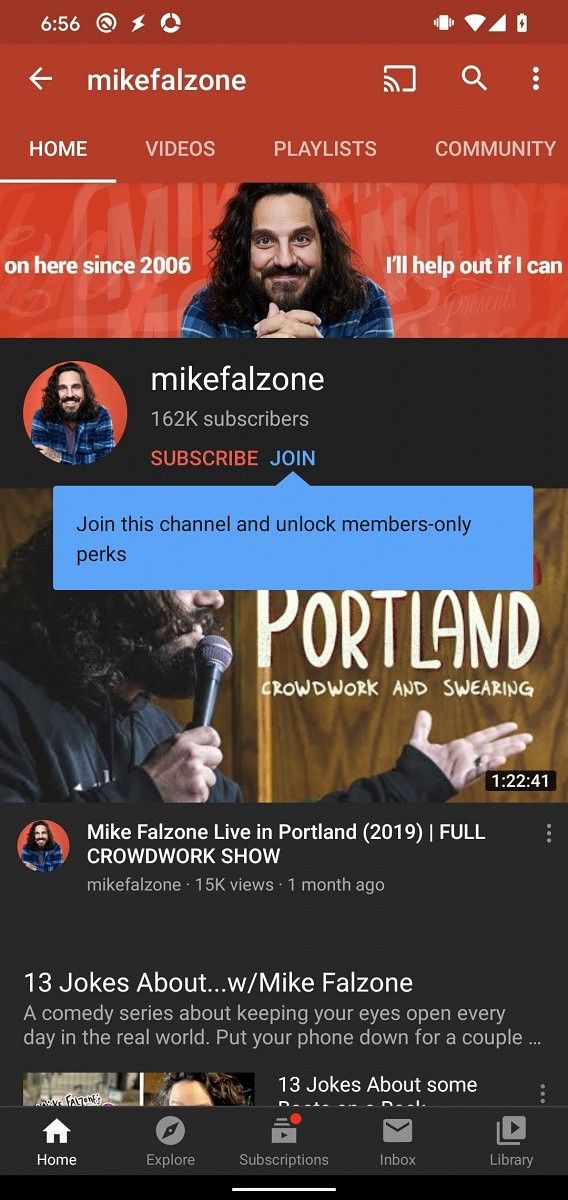
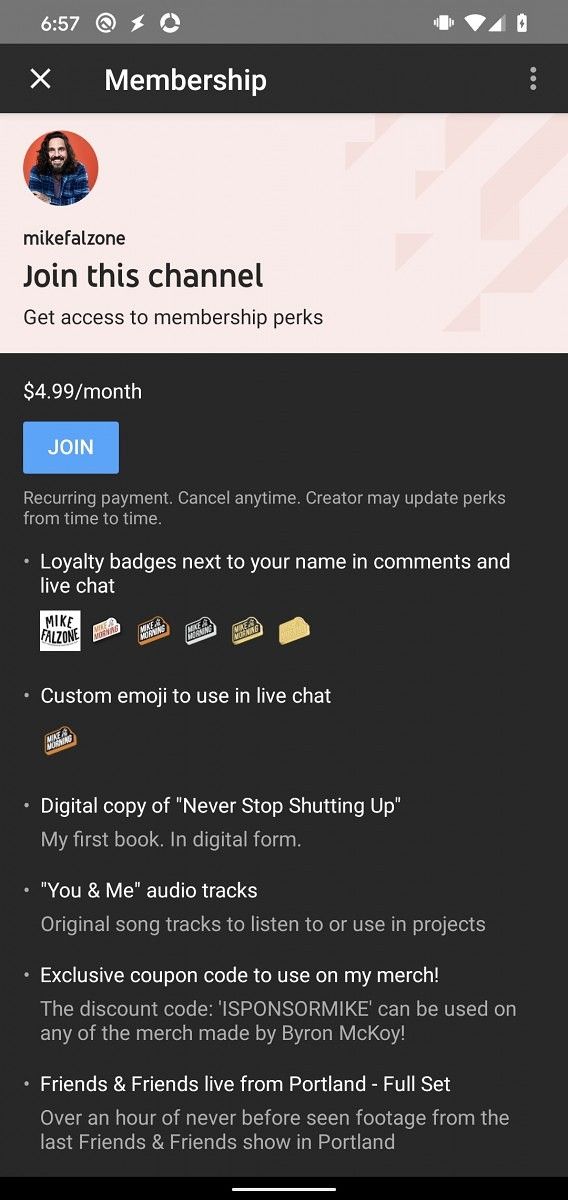
Channel membership was introduced in 2018 itself as an additional medium of monetization for YouTube Creators. Viewers can pay a monthly recurring fee to get access to unique badges, new emojis, Members-only posts in the Community tab, and access to unique custom perks such as exclusive live streams, extra videos, and shout-outs. It essentially is a new business model by itself, as the Creator gets a 70% cut of the membership fee (after local taxes), and thus, can pivot to the revenue model that suits them, their content, and their audience the best.

YouTube membership for premium

Existing YouTube Premium subscribers in Brazil, UK, Ireland, Japan, and South Korea will now get one free channel membership every month, for a limited time. The exact value of the freebie will vary across the regions, but it will be equivalent to the starting price level membership.

The offer is classified as a “limited time offer”, as YouTube Premium subscribers will get a free monthly channel membership until May 31. The membership is also classified as “non-recurring”, as the viewer has to decide which Creator to support every month. The Creator will earn the same amount of money out of this free membership as they would have out of a paid membership, so nothing changes on their end.

You can redeem your free channel membership on any channel that has turned on channel memberships for any eligible level. These free channel memberships don’t add up and will expire if they aren’t redeemed. Eligible YouTube Premium users will be prompted on YouTube.com or the mobile apps by this offer, and can directly claim by visiting a Creator with available channel memberships. When you tap “Join”, there will be an option to “Join for free”.


Source: Google Support
Via: 9to5Google

The post YouTube Premium subscribers in some countries are getting free monthly channel memberships appeared first on xda-developers.


from xda-developers https://ift.tt/34QMgyI
via IFTTT

Samsung may bring its free TV Plus streaming service to mobile

A lot of the content that we consume has made the shift from traditional cable TV to mobile, to the point that there are several popular services that do not have a TV alternative, and instead, solely focus on mobile. Cable TV still contains segments that appeal to a certain demographic, and this often remains a reason enough for them to continue availing the service separately. Samsung looked at this problem and came up with a solution for its smart TVs in the form of Samsung TV Plus, a free TV service for users in Canada and USA, offering over 100 TV channels for free over the internet. Now, a new report claims that Samsung is looking to bring this service over to mobile, likely as a Galaxy-exclusive.

According to a report by Sammobile, Samsung is planning to bring over Samsung TV Plus to mobile devices through a mobile app. The mobile app for the service is under development, and it will aim to deliver the same functionality as the service offers on Samsung’s Smart TVs. Sammobile speculates that the TV Plus mobile app may remain an exclusive for Samsung Galaxy smartphones, as the service is a Samsung-exclusive and works only on the company’s TVs.

https://www.sammobile.com/news/exclusive-samsung-tv-plus-streaming-service-coming-to-mobile/

If the mobile app does go on to mirror the functionality of the TV app, then users will be able to watch TV channels as well as access Video-On-Demand content. Content channels include beIN SPORTS EXTRA, Bon Appétit, CBS News, Crime 360, fubo Sports Network, Fuse, Kitchen Nightmares, Lively Place, Outside TV+, Reelz, Tastemade, The Design Network, VEVO, Yahoo Finance, and many more. Movies are made available through Samsung’s The Movie Hub channel. Users may also be able to pick up content where they last left off. Currently, it is unknown how Samsung will be monetizing the service for mobile if at all they choose to in the first place. At least on Samsung Smart TVs, the service is ad-supported but otherwise free — so users do not have to pay any subscription fees, or even bother logging in.


Source: Sammobile

The post Samsung may bring its free TV Plus streaming service to mobile appeared first on xda-developers.


from xda-developers https://ift.tt/3eENLVb
via IFTTT