LightBlog

lundi 21 décembre 2020

MediaTek Dimensity 1000 Plus smartphones are coming to India early next year

At the recent India Mobile Congress 2020 event, MediaTek announced that it would partner with popular smartphone OEMs to bring Dimensity 800U-powered mid-range 5G devices to the Indian market as early as next month. Now, the chipmaker has announced that it will also work with OEMs to bring Dimensity 1000 Plus-powered 5G flagships to India early next year.

For the unaware, the MediaTek Dimensity 1000 Plus was first unveiled in May this year as a successor to the Dimensity 1000. Much like its predecessor, it’s built on a 7nm process, and it features the same 5G modem. However, it comes with a couple of key improvements that enhance 5G connectivity and improve overall performance. These include:

  • Intelligent 5G connectivity: MediaTek’s proprietary 5G UltraSave delivers advanced power-saving technologies to improve battery life. The built-in technology intelligently manages a device’s 5G connection so you can do more and charge your device less often, ensuring seamless connectivity.
  • Powerful display optimization: MediaTek MiraVision brings enhanced display technologies, such a resolution upscaling, enhanced HDR10+ playback, and AI picture quality. The chipset also supports 144Hz displays.
  • Triple-A gaming performance: MediaTek’s HyperEngine 2.0 game technology provides a more fluid, responsive, and reliable gaming experience with graphics to match.
  • Advanced and adaptive camera support: Flagship-class, HDR-native ISP supports up to quad-camera sensors and up to 64MP sensors.

As of now, MediaTek hasn’t revealed exactly which smartphone manufacturer will bring Dimensity 1000 Plus devices to the Indian market. However, since there aren’t many MediaTek Dimensity 1000 Plus devices in the market, we can make a reasonable assumption. The first MediaTek Dimensity 1000 Plus-powered devices in India could come from either Xiaomi, Realme, or Vivo. All three companies already offer devices featuring the chipset in the Chinese market, namely the Redmi K30 Ultra, Realme X7 Pro, and Vivo iQOO Z1. Since Realme has already started launching the Realme X7 Pro in other markets, it may be the first device to bring the Dimensity 1000 Plus to Indian shores.

The post MediaTek Dimensity 1000 Plus smartphones are coming to India early next year appeared first on xda-developers.


from xda-developers https://ift.tt/3mEzWbW
via IFTTT

ZTE’s Axon 20 5G phone with an under-display camera goes on sale for €449

ZTE officially unveiled the Axon 20 5G in China back in September this year. Now nearly four-month since its launch, the Chinese smartphone maker is finally bringing the device to the global markets. Starting today, the device will go on sale across Europe, the UK, and Asia.

ZTE Axon 20 5G: Pricing & Availability

The ZTE Axon 20 5G comes in only one variant, 8GB/128GB, and is available for purchase from ZTE’s global website at $449 /€449 /£419. The phone is available for purchase in the following countries and regions:

Europe

  • UK, Austria, Italy, Belgium, Latvia, Bulgaria, Lithuania, Croatia, Luxembourg, Cyprus, Malta, Czech Republic, Netherlands, Denmark, Poland, Estonia, Portugal, Finland, Romania, France, Slovakia, Germany, Slovenia, Greece, Spain, Hungary, Sweden, Ireland, Ukraine

Asia

  • Korea, Ukraine, Thailand, Malay, Philippines, UAE, Saudi Arabia

Africa

  • South Africa

ZTE Axon 20 5G XDA Forums

The ZTE Axon 20 5G takes the prize as the first-ever smartphone to bring an under-display camera to the market. It packs a 6.93-inch FHD+ OLED display with a 90Hz screen refresh rate and 100% coverage of DCI-P3 color space. Under-the-hood, the phone is powered by the Snapdragon 765G chipset, coupled with Adreno 620 GPU, 8GB of RAM, and 128GB of storage. On the rear, we find a quad-camera setup consisting of a 64MP primary, 8MP ultra-wide angle, 2MP depth, and 2MP macro sensors. Other highlights of the package include a 4,220 mAh battery with 30W fast charging support, an in-display fingerprint scanner, 5G support, and Android 10.

Specifications

Specification ZTE Axon 20 5G
Dimensions and Weight
  • 172.1 × 77.9 × 7.9 mm
  • 198g
Display
  • 6.92″ FHD+ OLED display
  • 20.5:9 aspect ratio
  • 10-bit color depth
  • 100% DCI-P3
  • Under-display camera
SoC
  • Qualcomm Snapdragon 765G:
    • 1x Kryo 475 (ARM Cortex-A76-based) Prime core @ 2.4GHz
    • 1x Kryo 475 (ARM Cortex-A76-based) Performance core @ 2.2GHz
    • 6x (ARM Cortex-A55-based) Efficiency cores @ 1.8GHz
    • 7nm EUV process

    Adreno 620

RAM and Storage
  • 8GB RAM
  • 128GB flash storage
Battery & Charging
  • 4,220 mAh battery
  • 30W Quick Charge
Rear Camera
  • Primary: 64MP, 0.8μm pixel size, f/1.8
  • Secondary: 8MP ultra wide-angle, 120° FoV
  • Tertiary: 2MP depth
  • Quarternary: 2MP macro
Front Camera
  • 32MP
Connectivity
  • 5G NR
  • NFC
  • Bluetooth 5.0
  • Type-C port
  • WiFi 802.11.b/g/n/ac (2.4GHz + 5GHz)
Security In-display fingerprint reader
Software
  • Android 10 with MiFavor 10.5 on top

The post ZTE’s Axon 20 5G phone with an under-display camera goes on sale for €449 appeared first on xda-developers.


from xda-developers https://ift.tt/34tW2rG
via IFTTT

ZTE Axon 20 5G Hands-on: The under-display camera under-delivers

You’ve seen notches, you’ve seen pop-up cameras, but you’ve never seen under-display cameras until now. The ZTE Axon 20 5G is the brand’s latest upper mid-tier phone, and it has one stand-out feature: the camera sits underneath the display, never to be revealed fully to the naked eye. Unfortunately, I don’t really think the technology is there just yet. This was the first phone to release with an under-display camera back in September, though it was released exclusively in China at the time.

I’ll be doing a full review of the ZTE Axon 20 5G for the XDA YouTube channel, but for now, these are my initial thoughts on the display and the front-facing camera.

About this hands-on: ZTE sent us the Axon 20 5G for review at the beginning of December. ZTE had no input regarding the content of this article.

ZTE Axon 20 5G Specifications

Specification ZTE Axon 20 5G
Dimensions & Weight
  • 172.1 × 77.9 × 7.9 mm
  • 198g
Display
  • 6.92″ FHD+ OLED display
  • 20.5:9 aspect ratio
  • 10-bit color depth
  • 100% DCI-P3
  • Under-display camera
SoC  Qualcomm Snapdragon 765G:


  • 1x Kryo 475 (ARM Cortex-A76-based) Prime core @ 2.4GHz
  • 1x Kryo 475 (ARM Cortex-A76-based) Performance core @ 2.2GHz
  • 6x (ARM Cortex-A55-based) Efficiency cores @ 1.8GHz
  • 7nm EUV process

Adreno 620

RAM & Storage
  • 8GB + 128GB
Battery & Charging
  • 4,220 mAh battery
  • 30W Quick Charge
Fingerprint sensor In-display fingerprint sensor
Rear Camera
  • Primary: 64MP, 0.8μm pixel size, f/1.8
  • Secondary: 8MP ultra wide-angle, 120° FoV
  • Tertiary: 2MP depth
  • Quarternary: 2MP macro
Front Camera 32MP
Connectivity NR: N78(SA&NSA)
FDD: B1/3/5/7/8/20
TDD: B38/40/41
UMTS: B1/2/4/5/8
GSM: B2/3/5/8
Android Version MiFavor 10.5 UI based on Android 10

ZTE Axon 20 5G Forums

The ZTE Axon 20 5G’s display is pretty good

Thanks to the notchless experience of the ZTE Axon 20 5G, I’m reminded of what I loved most about smartphones with pop-up cameras — they gave me a completely bezel-less experience. It looks good, feels good to use, and as I always say, 1080p on a smartphone of pretty much any size is fine. The Axon 20 5G is one of the biggest phones I’ve ever used, with a screen size of 6.92-inches, but it’s still nice to use, and the full HD+ resolution display does the job fine. Would I have liked a 1440p display instead? Absolutely, but the ZTE Axon 20 5G delivers a nice viewing experience as-is.

The display is also a high-refresh-rate, 90Hz panel, but I noticed that 60Hz is enabled by default in the system settings. I needed to manually make the switch, which I thought was a bit odd. I worried that maybe 90Hz would cause issues as a result, that maybe I would face battery drain or there would be noticeable hiccups. Thankfully I came across no such issues, and I’m unsure why ZTE doesn’t just enable 90Hz by default. It’s one of the selling points of the phone, and not having it switched on by default is weird.

One thing I picked up on, however, was that in MiFavor UI (ZTE’s Android variant name) it refers to a “notchless display” in the “top area settings”. The status bar, which covers the under-display camera is all-black, and when I made the switch to “notchless display”, I realized why.

Turning on notchless display allows wallpapers to fill the top of the display, and it also allows the status bar to change color to fit the currently used app. Check out the photo below and focus on the center of the status bar.

THe front of the ZTE Axon 20 5G

Can’t make it out fully? Here’s it zoomed-in for you.

ZTE Axon 20 5G under-display camera

This, sadly, is not something that only my camera was able to pick up. Whenever the status bar area is of any colour, it’s instantly noticeable and stands out. If you do buy this device, I highly recommend keeping the status bar hidden. I didn’t really pick up on it until I went diving through the settings, but it’s something to keep in mind and shows how early this technology really is.

The front-facing camera itself

With an under-display camera, I wasn’t really sure what to expect from the quality. I was intrigued by whether it would actually work well and be usable as any other front-facing camera, and if I’m honest, it just barely passes the mark. I’m really not a fan of this device’s front-facing camera, and I think only those who rarely use it will really be satisfied. I’ll spare you all a few hundred photos of my face, but really, all of the photos are just as bad as each other.

The problem with the camera is just how blurry it is, which seems to be a side effect of it being under the display itself. I know the two photos above are in lower light, but the same blurry smoothening effect can be seen in all lighting conditions. In fact, when in direct light, any light sources shown in the viewfinder will bloom heavily and destroy the photo quality entirely. The best way I can describe photos from this camera is “soft”.

Overall, this selfie camera ranges from tolerable to… pretty much unusable. If you’re someone who wants selfies that look good, then this is definitely not the phone to get. If you don’t care about selfies then that’s fine, but keep in mind that the weird “mesh” of sorts will be visible over any content being shown on the display.

Has ZTE released this phone just to get this new, innovative tech to the market first? Honestly, it’s highly possible. It’s cool, I really like what it means for the future, but the experience is definitely not to the standard that I had set. I’m excited about the future of under-display camera technology, but this phone definitely isn’t its best representative.

The (initial) verdict

Look, this isn’t a review. It’s my initial thoughts on the under-display camera tech that makes this particular smartphone stand out, and sadly, I think it’s a bit ahead of its time. Do I dislike the ZTE Axon 20 5G because of it? Definitely not. It’s a fun device to use, I love the display, and the Qualcomm Snapdragon 765G is as good as ever. However, pointing out the glaring issues that are evident after using the device for a few minutes can’t go unnoticed, and sadly, they take away from what would otherwise be a fantastic experience. This camera technology is interesting, and I’m excited to see where it goes. ZTE hasn’t nailed it just yet, but it’s a good first start… and, if I’m honest, feels a little bit too early for consumer hardware.

If you’re interested in my final verdict on the ZTE Axon 20 5G, I’ll be doing a review over on the XDA YouTube channel soon, where I’ll go more in-depth and talk about performance, the back cameras, and more!

The post ZTE Axon 20 5G Hands-on: The under-display camera under-delivers appeared first on xda-developers.


from xda-developers https://ift.tt/2LVY2T2
via IFTTT

dimanche 20 décembre 2020

Galaxy Buds Pro app confirms colors, design, and features of Samsung’s next TWS earbuds

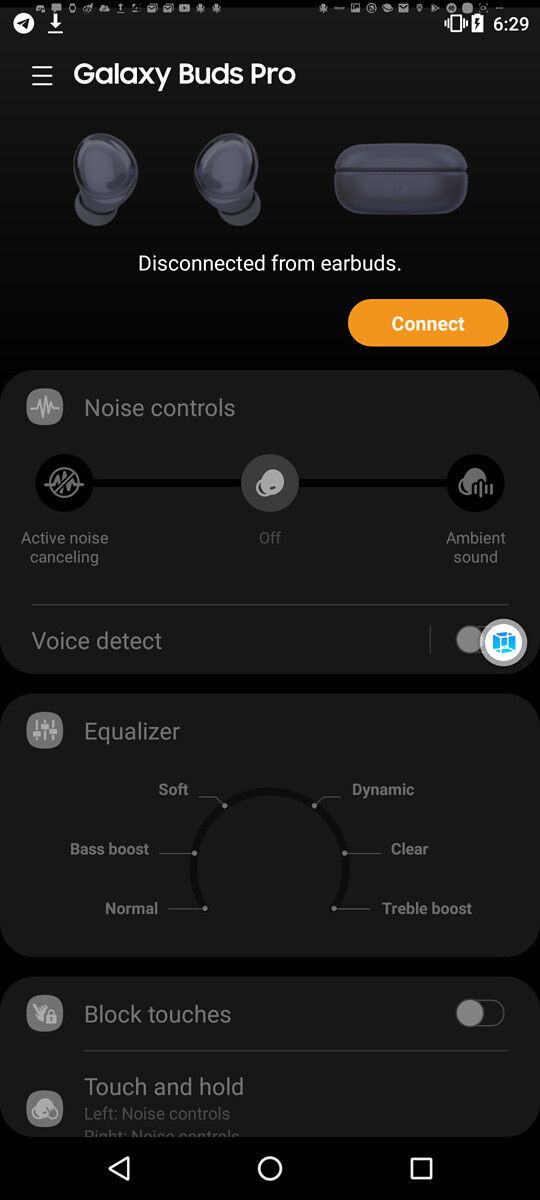
Samsung is reportedly planning on launching its next-gen TWS earbuds alongside the Galaxy S21 series next month. Recent leaks suggest that the upcoming TWS earbuds, called the Galaxy Buds Pro, will offer better ANC and an in-ear design more akin to the original Galaxy Buds and Galaxy Buds+. While Samsung is yet to release any information about the earbuds, a teardown of the pre-release Galaxy Buds Pro (Plugin) app has now revealed key details about the earbuds.

Reddit user u/gamer0mega spotted this pre-release APK while skimming through Samsung’s Galaxy Store servers, and it includes detailed information about all the new features that Samsung will offer in its next-gen earbuds. But before we talk about the new features, here are a couple of renders from the app that confirm the design we saw in recent leaks.

Samsung Galaxy Buds Pro APK teardown color variants

As you can see, the Galaxy Buds Pro is a far cry from the Galaxy Buds Live, and it features a design similar to the original Galaxy Buds. This in-ear design is expected to provide better passive noise isolation, and therefore better ANC performance, which was a major pain point on the Galaxy Buds Live. These renders also confirm that the Galaxy Buds Pro will be offered in three color variants. Along with the new design, the Galaxy Buds Pro will offer the following new features:

  • Spatial 3D Audio with head tracking
  • Voice/conversation detection: turn the volume down automatically when the earbuds detect a conversation
  • Left/right hearing adjustment (Hearing enhancements)
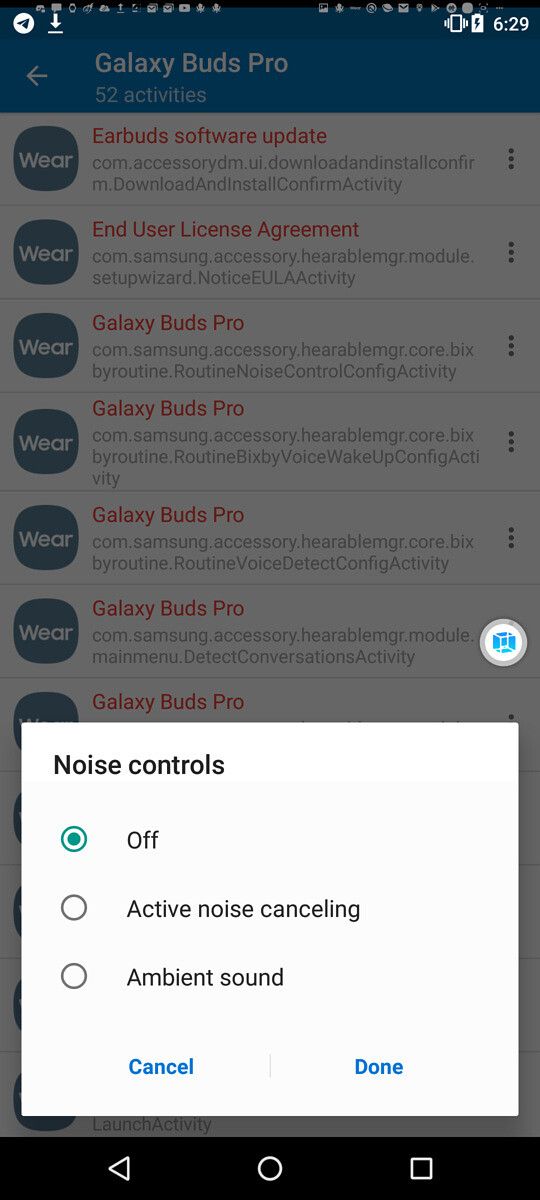
  • Noise controls
    • Ambient sound mode
    • ANC mode
  • Bixby voice wake-up sensor

The teardown reveals that the 3D spatial audio feature will have a few limitations. It will only be available on Samsung devices running One UI based on Android 11, it will require devices to have specific sensors (possibly compass), and it will work on devices that support this feature:SEC_FLOATING_FEATURE_AUDIO_SUPPORT_HEADTRACKING_EFFECT.

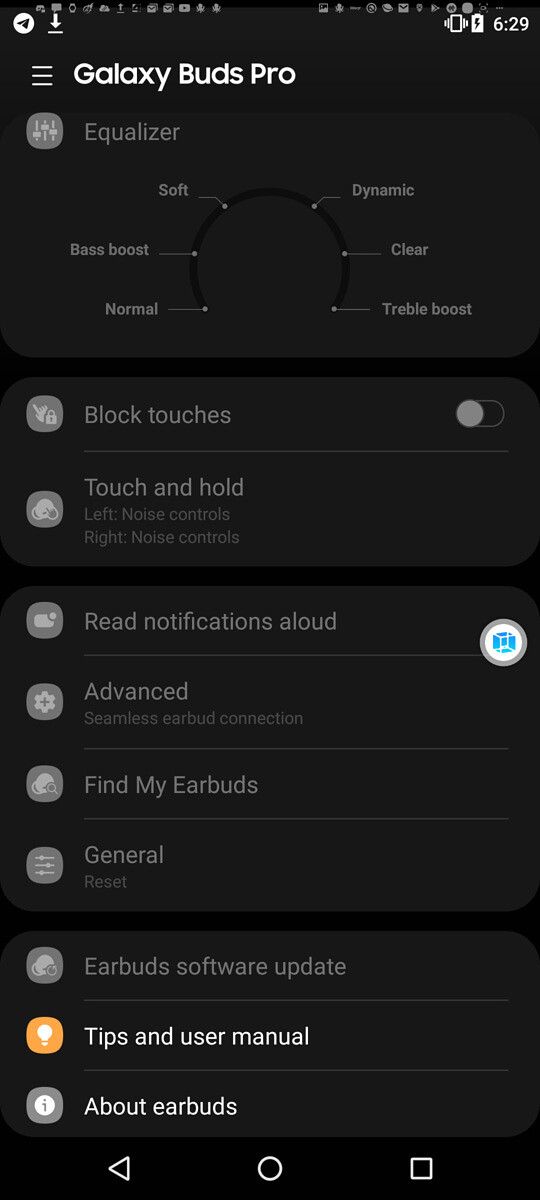
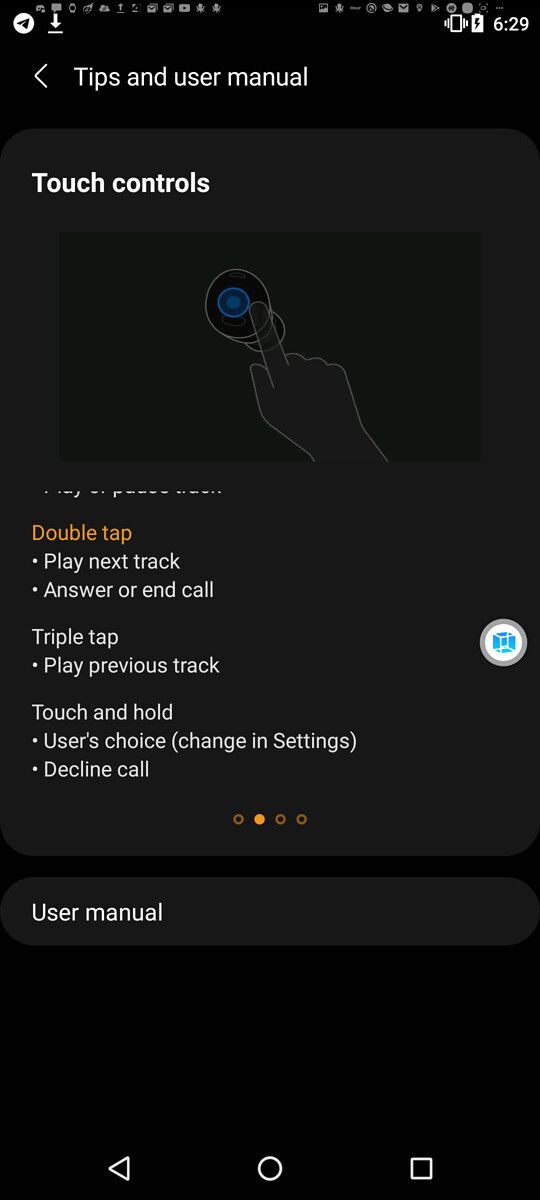
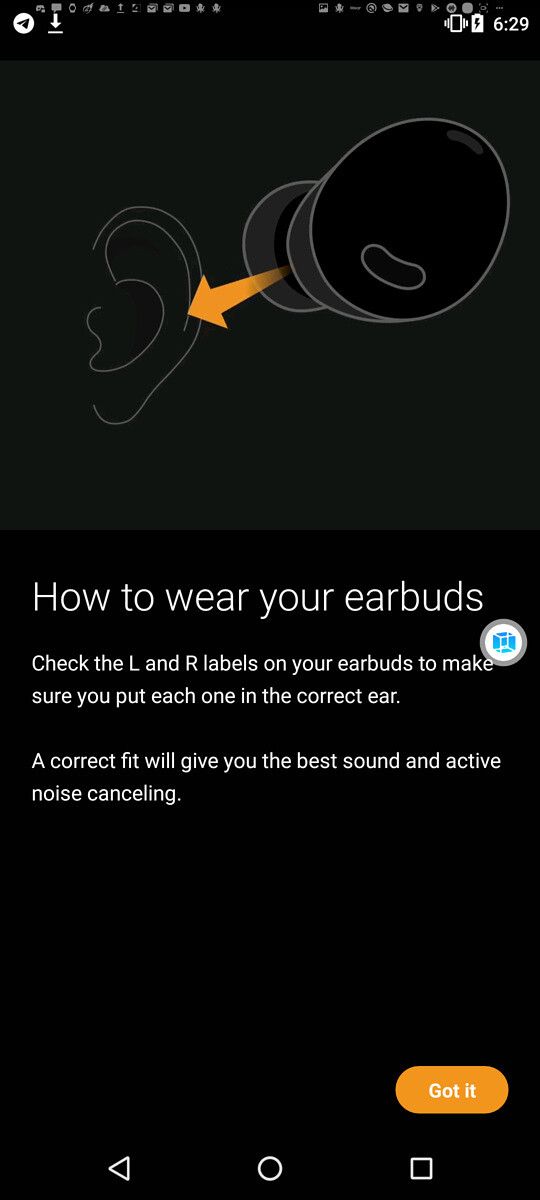
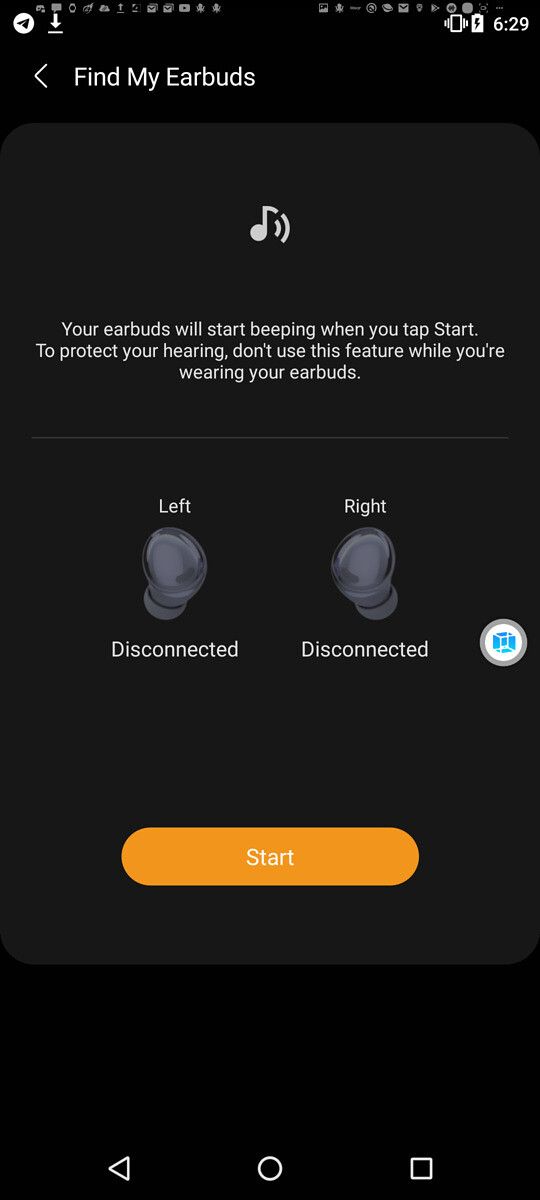
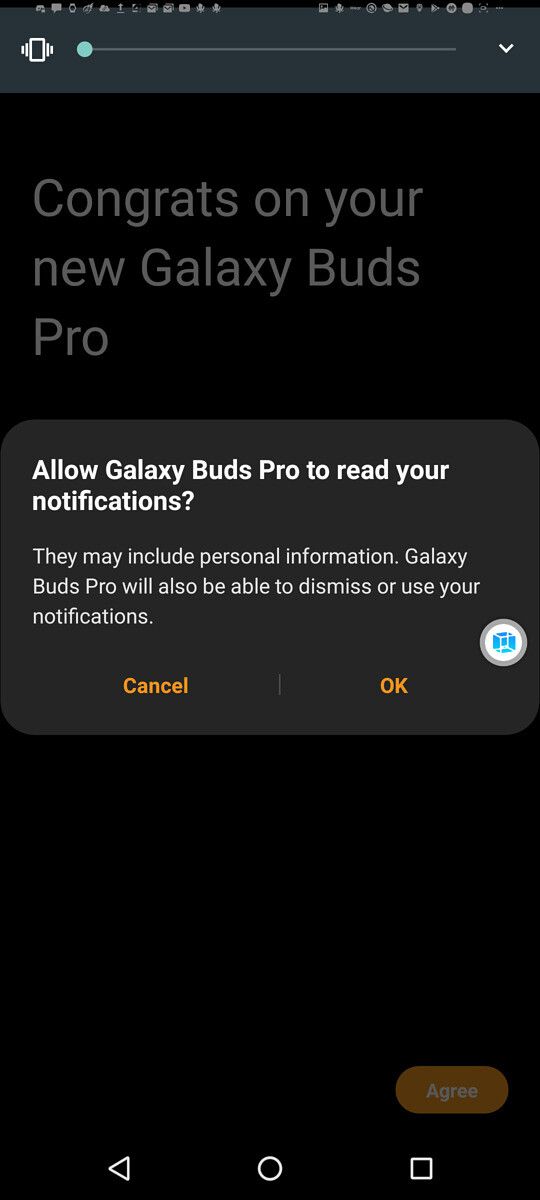
Samsung Galaxy Buds Pro Plugin 1 Samsung Galaxy Buds Pro Plugin 2 Samsung Galaxy Buds Pro Plugin 3 Samsung Galaxy Buds Pro Plugin 4

As for the hearing enhancements feature, the teardown reveals that it will allow users to adjust the volume of each earbud manually. This is expected to improve usability for those who have hearing impairments in one ear. It’s also worth noting that the custom volume balance settings will persist when the user switches to a different device, so they won’t have to repeat the process.

Samsung Galaxy Buds Pro Plugin 5 Samsung Galaxy Buds Pro Plugin 6 Samsung Galaxy Buds Pro Plugin 7 Samsung Galaxy Buds Pro Plugin 8

The Conversation detection feature will automatically switch the earbuds to the Ambient sound mode and reduce media volume. The feature will present users with an option to set a custom timeout (5/10/15 seconds). The earbuds will revert to the previous volume/mode once they stop detecting the user’s voice after the specified duration. The teardown also reveals that the Ambient voice mode will offer four volume settings, and the ANC mode will offer two (high/low) noise-canceling settings.

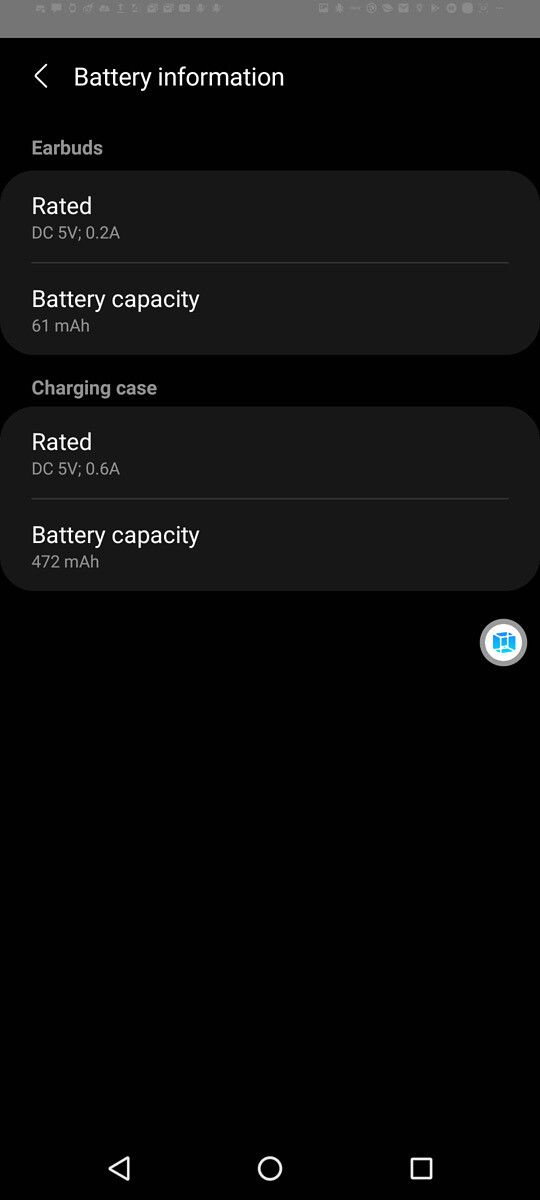
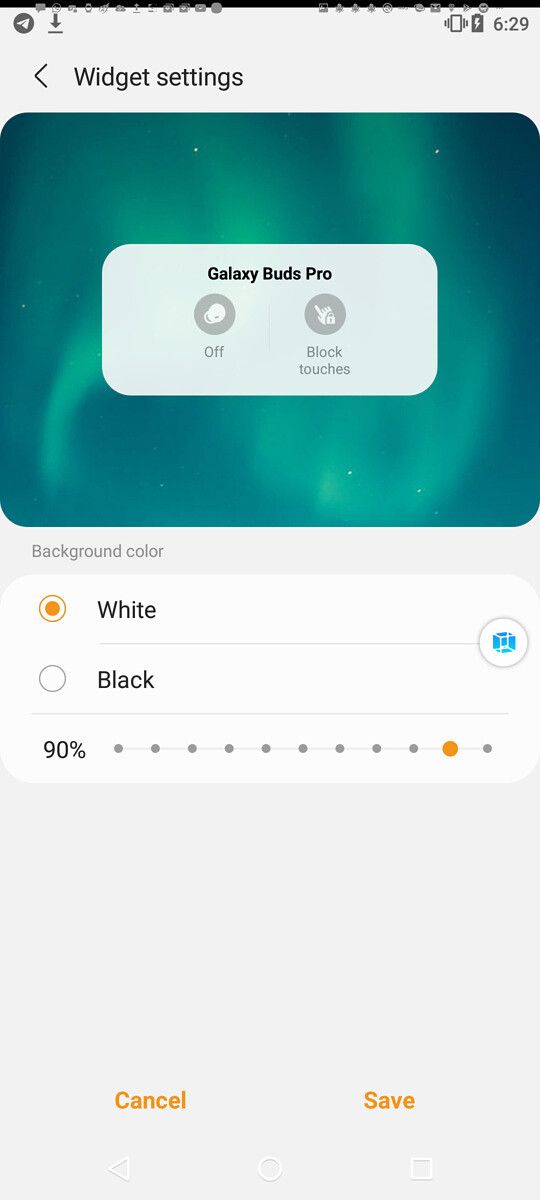
Furthermore, the pre-release APK confirms that the Galaxy Buds Pro will feature a 61mAh battery in each earbud and a 472mAh battery in the charging case. The app will also include settings to help users customize touch controls, two customizable home-screen widgets, a tutorial to help users get a proper fit, and a Find My Earbuds to help users locate misplaced earbuds.


Thanks to @SamsungRydah for the tip!

The post Galaxy Buds Pro app confirms colors, design, and features of Samsung’s next TWS earbuds appeared first on xda-developers.


from xda-developers https://ift.tt/2WAIdTY
via IFTTT

The Galaxy S II still lives: Developer unofficially ports LineageOS 18.1 based on Android 11

In the last few months, we’ve talked about various unofficial Android 11 ports for numerous devices. Some of them were expected, as they were fairly new devices with a strong development backing. However, there were quite a few surprising entries, like the port for the Raspberry Pi 4, which was never intended to run Android in the first place. Now, another legendary device, the Samsung Galaxy S II, has received a taste of Android 11 through an unofficial build of LineageOS 18.1.

Samsung Galaxy S II XDA Forums

The porting work comes courtesy of XDA Senior Members rINanDO, ChronoMonochrome, and a host of other developers. It is important to keep in mind that this build is meant for the GT-I9100 variant. Among the things that do work out of the box, you can find that your screen, Wi-Fi, camera, and audio are working just fine. The RIL is partially working, i.e. you can receive calls, but can’t make one. However, GPS, FM Radio, screencasting, and a bunch of other features don’t yet work. In other words, we would only recommend trying this if you know what you are doing and have the appropriate stock firmware to restore.

As far as installation is concerned, the ROM is compliant with Isolated Recovery (IsoRec), which means it is a straight forward flash via Odin. One thing worth noting is that you have to be mindful of the data backup part, as you will have to re-partition and subsequently wipe the internal storage of your Galaxy S II during the installation process.

Download unofficial LineageOS 18.1 based on Android 11 for the Samsung Galaxy S II

If you’ve still got your hands on a Samsung Galaxy S II and would like to play around with Android 11, or if you’re just a former owner looking to pay their respects to the venerable device, do give the port a try. When developers can do anything and everything they desire to a device, we get gems like this one.

The post The Galaxy S II still lives: Developer unofficially ports LineageOS 18.1 based on Android 11 appeared first on xda-developers.


from xda-developers https://ift.tt/38lIHTh
via IFTTT

Discussion: Is Samsung intentionally making the Galaxy Note series irrelevant?

Samsung’s Galaxy S and Galaxy Note series are the headliners of its multi-billion-dollar smartphone business. As the world’s largest smartphone manufacturer by volume, Samsung has many hats to wear. But these two series have primarily driven smartphone innovation for nearly a decade. However, Samsung has lately diverted its attention towards nurturing its range of foldable smartphones and that has been pushing the Galaxy S and the Galaxy Note series to the brink of redundancy. Latest rumors suggest the S Pen might not remain exclusive to the Galaxy Note series. So the question here is — is the Samsung Galaxy Note series bound to become irrelevant — or at least less relevant than it is now? Let’s Discuss!

The Samsung Galaxy Note series literally gets its name because of the unique value the S Pen adds to the smartphone. In addition to its note-taking abilities, the Note series has been the flag-bearer for the finest user experience, especially for the pro consumers. However, that dynamic is evidently changing and the Note series might not remain unique in the near future. Notably, the phones were also among Samsung’s initial phablets but that has gap been already been bridged by the Plus and Ultra versions of the Galaxy S Series smartphones.

Ever since Samsung announced the Galaxy Note 20 and the Galaxy Note 20 Ultra, reports have indicated the Korean giant’s plans to reassess the positioning of the S Pen. Within a month of the Galaxy Note 20 series’ launch, reports emerged that Samsung would be adding stylus support to the most premium of the three Galaxy S21 devices — presumably the Galaxy S21 Ultra. There are also reports that suggest stylus support on Samsung’s next foldable flagship — likely to be called the Galaxy Z Fold 3.

Earlier this week, Samsung Electronics’ Head of Mobile Communications Bussiness, Dr. TM Roh almost confirmed these reports when they announced that Samsung would “add some of its most well-loved [Galaxy Note] features to other devices” in a fervent editorial about the future of Samsung’s mobiles division in 2021.  Dr. Roh also talks about “open standards” but we haven’t quite been able to decode that successfully just yet.

samsung galaxy note 20 ultra stylus s pen

Parallel to these reports about Samsung extending stylus support for the Galaxy S and the Galaxy Z Fold lineups, rumors about the Note series getting discontinued have also floated on the internet. The speculations were based on the assumption that the Galaxy Z Fold 3 might replace the Note series in 2021. Naturally, this step would result would not only dilute the special attention that the Note series has received due to the S Pen, but could also further diminish its already declining sales.

Other reports quash the rumors about the Note lineup being discontinued. But there is no denying that the availability of S Pen on non-Note devices can be the second nail in the coffin for the Note series — the first being the emergence of foldables as practical tools for pro consumers.

One can also look back at incidents like the Galaxy Note 7 debacle, which essentially redefined the prioritization of features between the Galaxy S and the Galaxy Note series. Before the incident, the Note series either had newer or better features (or both) than the Galaxy S series. But after it, Samsung redirected its focus to innovate for the Galaxy S series and reiterate these innovations for the Note series.

With the Galaxy S21 Ultra and the Galaxy Z Fold 3 purportedly sharing the one feature that has so far been unique to the Note series, the upcoming devices in the lineup are likely to have fewer takers.

Do you agree that Samsung is trying to make the Galaxy Note series less relevant so it can eventually be phased out in favor of newer devices? Share your thoughts in the comments below!

The post Discussion: Is Samsung intentionally making the Galaxy Note series irrelevant? appeared first on xda-developers.


from xda-developers https://ift.tt/34rirWf
via IFTTT

OmniROM, TWRP, and Google Camera ports are available for the ASUS ZenFone 7 series

ASUS launched their ZenFone 7 lineup back in August this year and the device duo have been quite well received. In a bid to make the phones more attractive to the aftermarket development community, the company promptly published the bootloader unlock tool and the kernel source code. Thanks to the OEM’s proactive support, we even saw the release of a public beta of Android 11 for the device. Third-party development for the ZenFone 7 series has been on high-gear ever since and we now have the first custom ROM, an unofficial TWRP port, and working Google Camera ports for it.

ASUS ZenFone 7/7 Pro Forums

ASUS ZenFone 7 Pro Review – A Flipping Fantastic Flagship Smartphone

Unofficial TWRP

In case you’re planning on fiddling with your ZenFone 7, you’d be glad to know that XDA Recognized Developer Captain_Throwback has already released an unofficial TWRP build for the device. You can download it from the forum thread linked below and follow the instructions in the first post to easily replace the stock recovery with TWRP on your device. Do note that you’ll first have to unlock the bootloader before you can go ahead with the installation.

Download unofficial TWRP for the ASUS ZenFone 7 series

Unofficial OmniROM

The first custom ROM is also available for the ZenFone 7 family, and it comes in the form of OmniROM. According to the developer, XDA Senior Member micky387, the ROM comes with SELinux enforced, which is a big plus in terms of security. Users interested in flashing the ROM should carefully refer to the instructions mentioned by the developer in the ROM thread.

Download unofficial OmniROM for the ASUS ZenFone 7 series

Google Camera port

If you want to get the most out of the camera, you should check out ported Google Camera APKs. There are a few options available in our forums, like the one based on version 7.3 by XDA Senior Member mickey36736 and another one based on Google Camera 8.0 by XDA Senior Member Arnova8G2. The auxiliary camera sensors reportedly work fine with these ports, which can really come in handy for utilizing the ultra-wide angle and telephoto cameras. Try them out by following the link below.

Download Google Camera ports for the ASUS ZenFone 7 series

We expect to see more development work on the ZenFone 7 lineup, e.g. official inclusion within the TWRP and the LineageOS projects, soon. For now, the doors have opened for users to try something outside of ASUS’ offerings.

The post OmniROM, TWRP, and Google Camera ports are available for the ASUS ZenFone 7 series appeared first on xda-developers.


from xda-developers https://ift.tt/3mF6v9D
via IFTTT