LightBlog

mardi 29 décembre 2020

Download: Developers release modded Google Camera 8.1 based on Pixel 5’s camera app

The Google Pixel 5 and Pixel 4a 5G launched with a new version of the Google Camera app (v8.0) that included a new UI and a couple of new features. The new UI and features then made their way to older Pixel devices last month with Google Camera 8.1. The update also included a new “Storage Saver” mode to help users take more photos and videos on their devices. Now, developers have released a modded version of Google Camera 8.1 that brings all of these features and changes to non-Pixel devices.

The latest Google Camera mod comes from XDA Senior Member Urnyx05, and it’s based on Google Camera 8.1.008. As a result, it gives you access to all of the new features and UI changes introduced with the official release, along with the new Storage Saver mode. Here’s the complete changelog for the latest GCam mod:

  • Added all the fixes necessary for the first start
  • Added Color Transform to fix saturation on devices with dull colors
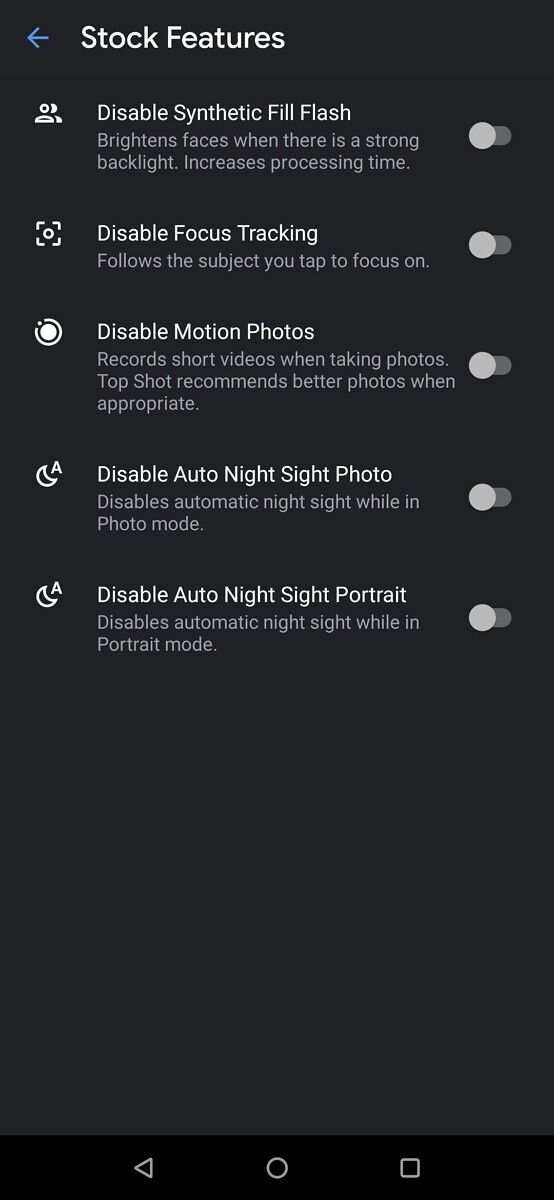
  • Added an option to disable tracking focus
  • Added an option to disable motion photos
  • Added OPModes to fix EIS
  • Added buttons in the drop-down menu to enable/disable AWB
  • Disabled Sabre on unsupported sensors
  • Added an option to choose between Pixel 2, Pixel 3, IMX586 and IMX686 AWB
  • Improved colors on Mi Note 10
  • Added an option to disable Synthetic Fill Flash
  • Added an option to disable auto night sight on portrait and photo

As mentioned in the announcement post on our forums, the Google Camera 8.1 mod should work on most Pixel and non-Pixel devices. However, it may not work on some Samsung and OnePlus phones, along with a few Snapdragon 845-powered devices from other manufacturers.
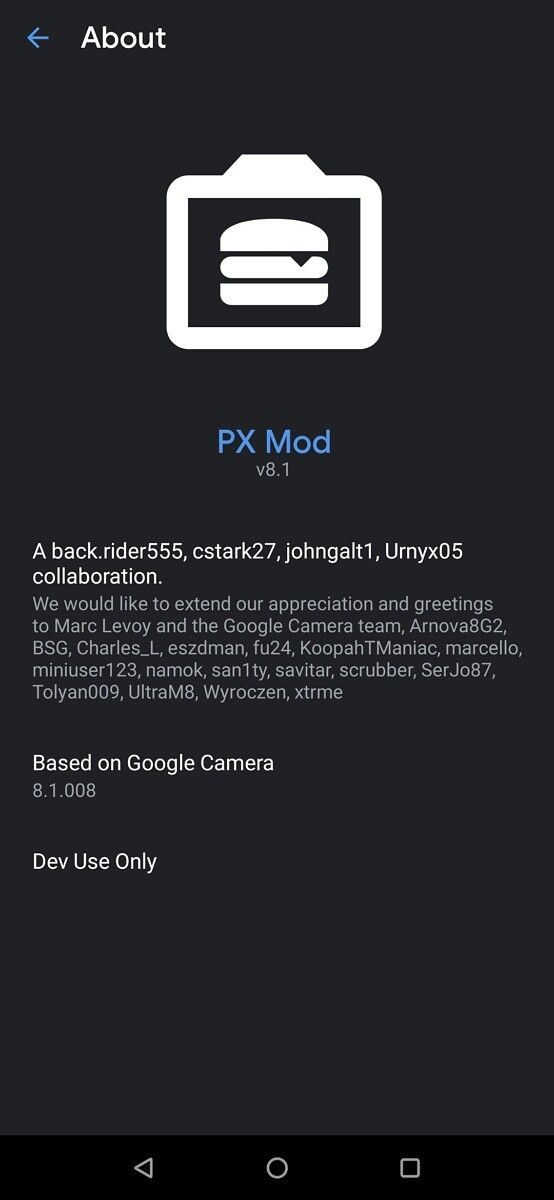
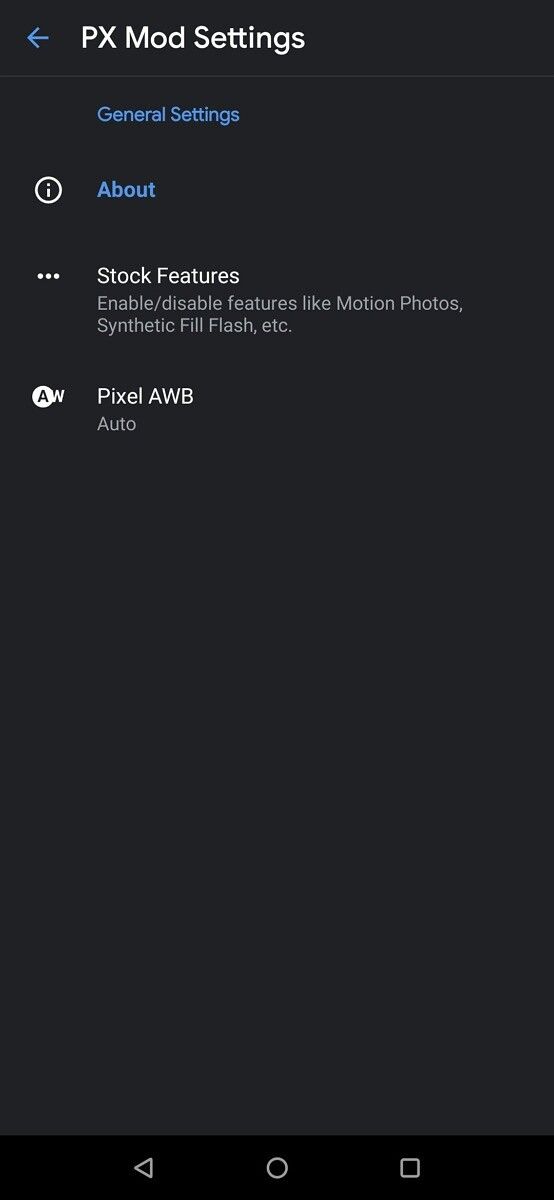
Google Camera Mod 8.1 Urnyx05 (3) Google Camera Mod 8.1 Urnyx05 (3) Google Camera Mod 8.1 Urnyx05 (3)

If you want to try out the Google Camera 8.1 mod on your device, you can download it from the link below. In case you do give it a go, make sure to leave a comment below with the name of the device you tried it on and your experience with the mod.

Download Urnyx05’s Google Camera 8.1 mod

Urnyx05’s Google Camera mod thread on XDA Forums

The post Download: Developers release modded Google Camera 8.1 based on Pixel 5’s camera app appeared first on xda-developers.


from xda-developers https://ift.tt/38In3ZE
via IFTTT

Magisk v21.2 and Magisk Manager v8.0.4 released with bug and stability fixes for root access

XDA Senior Recognized Developer topjohnwu‘s Magisk is inarguably the most popular root solution for Android devices. With it, rooting your Android device is as simple as flashing a .zip file ina custom recovery like TWRP and installing the Magisk Manager app. The tool recently received a major update that introduced support for Android 11, an app redesign, and much more. Shortly after the last stable release, Magisk received an update on the beta channel that brought support for the Google Pixel 5 and Pixel 4a 5G, along with other minor changes. Now, topjohnwu has rolled out yet another update for Magisk (v21.2) and Magisk Manager (v8.0.4), bringing several bug and stability fixes for root access.

The latest updates for Magisk and Magisk Manager are maintenance updates centered around addressing bugs, expanding device compatibility, and enhancing stability. Here are the complete changelogs for the latest Magisk and Magisk Manager releases:

Magisk v21.2 changelog:

  • [MagiskInit] Detect 2SI after mounting system_root on legacy SAR devices
  • [General] Make sure post-fs-data scripts cannot block more than 35 seconds
  • [General] Fix the magisk --install-module command
  • [General] Trim Windows newline when reading files
  • [General] Directly log to file to prevent logcat weirdness
  • [MagiskBoot] Fix header dump/load for header v3 images

Magisk Manager v8.0.4 changelog:

  • A lot of stability changes and minor bug fixes
  • Collect device properties, app logcat, and Magisk logs when saving logs in the logs menu

You can download the latest releases by following the links below. In case you’re not familiar with Magisk, you should check out our in-depth guide on how to root your device using the tool. And if you happen to run into any problems with the latest build, make sure to file a bug report on the project’s GitHub repository. Also, check out our Magisk forums for the latest discussions on today’s release.

Magisk XDA Forums

Download Magisk (v21.2) || Download Magisk Manager (v8.0.4)

The post Magisk v21.2 and Magisk Manager v8.0.4 released with bug and stability fixes for root access appeared first on xda-developers.


from xda-developers https://ift.tt/2MaQsE1
via IFTTT

lundi 28 décembre 2020

Google Camera 8.1 disables ultra wide-angle astrophotography on the Pixel 5 and Pixel 4a 5G

When the Pixel 5 and Pixel 4a 5G launched, they supported astrophotography with the ultra wide lens. Following a Google Camera update, however, that feature is no longer supported.

According to 9to5Google, the Google Camera 8.1 update that rolled out in mid-November removed the ability to use the ultra wide lens for astrophotography. Before, when switching to the astrophotography feature, users could switch between .6x, 1x, and 2x. Since the update, the .6x option is no longer available, and a Google support document says astrophotography only works on zoom settings equal to or greater than 1x.

Google Camera astrophotography

It’s unclear why the option was removed, but it’s disappointing regardless of the reason. It’s possible the feature is no longer available because the quality isn’t up to Google’s standards, but that’s simply speculation; Google could easily clear things up by releasing an explanation.

Pixel 5 and Pixel 4a 5G owners can still use the ultra wide lens for Night Sight, but not for capturing the stars. Using an ultra wide lens for astrophotography makes a lot of sense because it allows users to capture more of the scene. But users will have to make do with the normal lens, which still offers a relatively wide field of view.

As 9to5Google notes, you can uninstall updates to Google Camera and revert to version 7.6, which allows Pixel 5 and Pixel 4a 5G owners to use the ultra wide lens for astrophotography. That’s the version that actually launched with the Pixel 5.

Pixel 5 Forums || Pixel 4a 5G Forums

With winter storms rolling out across the U.S., now may not be the greatest time for astrophotography. But it’s a little frustrating to see features being stripped away from Google flagships for seemingly no reason. Users on Reddit have certainly noticed.

Perhaps Google Camera will be updated in the near future and bring the feature back. For now, astrophotographers can use zoom settings equal to or greater than 1x.

Google Camera (Free, Google Play) →

The post Google Camera 8.1 disables ultra wide-angle astrophotography on the Pixel 5 and Pixel 4a 5G appeared first on xda-developers.


from xda-developers https://ift.tt/2WSWjQI
via IFTTT

Pick up the Apple power adapter for $15 at Staples and get a quality charge

I know what you’re thinking. Why on earth do I need an Apple power adapter? Why can’t I just pick up any adapter, or use the one you found in your junk drawer? I thought the same when I first saw the deal pop up. Sure, Apple is known for quality, but paying $15 for something I get for free with other devices seems silly.

That was until I did some research. First and foremost, many big manufacturers seem to be ditching the free adapters with newer phones, at least in some regions. Apple was one of the first to make the change, but now others are following suit. Also, when it comes to adapters, it turns out you’re getting what you paid for. A lot of third-party adapters have a lower build quality than an Apple power adapter. This can lead to minor issues, such as a poorer charge speed, but a poorly constructed adapter also has a chance of causing electrical issues. The last thing that anyone wants is an electrical meltdown!

This brings us to the Apple power adapter. This adapter has been taken apart and is known to be of great build quality, so you don’t have to worry about any mishaps. It’s also a really compact adapter to boot! Sure, my OnePlus Warp Charger is supposed to be the best thing to use with my OnePlus 8 Pro, but have you seen the size of it? It’s huge! The Apple adapter is much smaller, which means that it can actually fit in the outlet behind my bed. Of course, the Apple adapter can work with any wire that connects via USB, so you can use it to charge Android devices too! Some of the Staples reviews state the adapter is still a little big, but compared to most of the adapters I’ve seen, it’s on the smaller side.

Convinced yet? Normally $19, you can grab this quality adapter for just $15 at Staples. The item also comes with free shipping, or you can pick it up from a local Staples store if you need it today!

    Apple Power Adapter
    Pick up the Apple power adapter for just $15 at Staples, and enjoy a compact adapter that will get the job done, without the risk of failure.

The post Pick up the Apple power adapter for $15 at Staples and get a quality charge appeared first on xda-developers.


from xda-developers https://ift.tt/2WOeeI8
via IFTTT

ZTE Axon 20 5G teardown reveals how the under-screen camera works

One unfortunate side effect of bezel-less smartphone designs is the display notch, which leaves room for the front-facing camera (and face-scanning technology). One solution to this problem is the ZTE Axon 20 5G’s under-screen camera, and although it’s not particularly good, it’s still interesting to see how the technology works.

A recent teardown by YouTuber JerryRigEverything gives us a closer look at how the ZTE Axon 20 5G executed the under-display camera. Turns out, the device uses two screens stacked on top of one another, which allows the under-display camera to look out from beneath the top layer display. JerryRigEverything provides an insightful breakdown of every component used by ZTE, so the teardown is well worth the watch.

In practice, the ZTE Axon 20 5G’s front-facing camera could still use a lot of work. Here’s what we said in our review:

The problem with the camera is just how blurry it is, which seems to be a side effect of it being under the display itself. I know the two photos above are in lower light, but the same blurry smoothening effect can be seen in all lighting conditions. In fact, when in direct light, any light sources shown in the viewfinder will bloom heavily and destroy the photo quality entirely. The best way I can describe photos from this camera is “soft”.

While the execution isn’t flawless, the ZTE Axon 20 5G could signal where the smartphone industry is headed. That’s good news for consumers, because it means the days of hole-punch displays and notches are numbered. We just hope the technology can progress enough to one day match the quality of what devices currently offer.

For now, ZTE’s solution is the best we’ve got, even if it could use some work. But it could be an early taste of what may become the norm down the road.

ZTE Axon 20 5G Forums

The post ZTE Axon 20 5G teardown reveals how the under-screen camera works appeared first on xda-developers.


from xda-developers https://ift.tt/2WQNruP
via IFTTT

Here are the countries using Google and Apple’s COVID-19 Contact Tracing API

SARS-CoV-2, also known colloquially as just the coronavirus, has wreaked havoc across the world. Many countries shut down large parts of the economy in order to contain the spread of the virus. As countries reopen their economies, many health experts fear a “second wave”, ie. resurgence, of COVID-19. To prevent a second wave, public health experts are advocating that nations adopt contact tracing, ie. tracing all the people who have recently come into contact with a person who has tested positive for COVID-19 and then undertaking steps to isolate those individuals. Contact tracing is difficult to implement correctly without violating an individual’s privacy. The threat to personal privacy was severe enough for Google and Apple to collaborate on an API that developers of public health agencies can use to implement app-based contact tracing solutions. This contact tracing API, which Google and Apple call the Exposure Notification API, is designed to respect user privacy and security.

Once a user downloads an app that uses the Exposure Notification API and opts in to contact tracing, their device starts generating “proximity identifiers” that are changed every 15 minutes (on average). Via Bluetooth Low Energy, these “proximity identifiers” are periodically shared with nearby devices whose users have also opted into contact tracing. The proximity identifier is then processed on-device and does not reveal information about a user’s location or other personally identifiable information. Once a user confirms a positive diagnosis of COVID-19, they can share their diagnosis with the app they installed, which will then inform other users who have come into close contact with them in the last 14 days. For more information on how the Exposure Notification API works, we recommend reading our initial coverage.

Google first rolled out the Exposure Notification API for Android devices on May 20, 2020, as part of an update to Google Play Services, but its use is restricted to apps that have been developed by official public health agencies (for obvious reasons). However, neither Google nor Apple has made details public about the list of apps that have been whitelisted for using this API, so unless you’re constantly keeping up with the news, it’s hard to know which countries have adopted the API. We’ve previously covered some of the countries that have adopted the Exposure Notification API when we talked about the various open-source contact tracing projects that are out there. In this article, we have compiled a list of official contact tracing apps from designated health agencies from various countries that are using Google and Apple’s Exposure Notification API. Our list contains COVID-19 contact tracing apps that have been released or are currently in development.

We discovered Google’s hidden whitelist of application package names for the API. Subsequently, these package names were traced back to apps, their listing, and the countries they belong to. The information is compiled below in a table for easy reference. We have also added Google Play Store and Apple App Store links, if the app has been publicly released, as well as the source code and the official website link, wherever available. We will update the following tables as more countries/regions adopt the API.

Table Changelog

  • June 26, 2020
    • Added: Brazil, Ghana, Ecuador, Spain, Estonia, Egypt, Portugal, Croatia, MIT’s PathCheck SafePlaces
    • Package names updated: Canada, Alabama
  • June 29, 2020
    • Updated Ireland’s listing to include the source code
    • Added the name and package name of Spain’s app.
    • Google has updated the package name “eg.nc.moh.bruhealthtrace” to “egnc.moh.bruhealthtrace.” This matches the “BruHealth” contact tracing app from the government of “Brunei.” We have updated the table accordingly.
  • June 30, 2020
    • Added Spain’s Radar COVID app
  • July 1, 2020
    • Fixed Japan’s listing to reflect that COCOA – COVID-19 Contact App has already been released.
    • Added a separate table for open contact tracing implementations based on Google and Apple’s Exposure Notification API. PathCheck SafePlaces was moved to this table and COVID Shield and Common Circle were added.
  • July 6, 2020
    • Ireland’s COVID Tracker app has been released on Google Play and the Apple App Store, so the listing in the table has been updated with links to reflect that.
  • July 8, 2020
    • Added: North Ireland, the Netherlands (second app), Finland, and MITRE’s COVID Aware app
  • July 15, 2020
    • Added: Arizona, CV Key
    • Updated: New Canadian app, package names for UK apps, Mexican app, updated Ghana –> Gibraltar
  • July 22, 2020
    • Added: Nevada (?) pending verification
  • August 5, 2020
    • Added: Belgium (In-Development), New York (In-Development)
    • Updated: Virginia (Released), North Dakota (In-Development), Canada (Released), Croatia (Released), Ecuador (Released), Northern Ireland (Released)
  • August 10, 2020
    • Added: Slovenia, Arizona, South Africa (?) pending verification
    • Re-verified that released apps are using COVID-19 ENS.
  • August 13, 2020
    • Updated: United Kingdom (Released)
  • August 24, 2020
    • Added: Czech Republic (In-Development), Michigan (In-Development), North Carolina (In-Development), Pennsylvania (In-Development), Scotland (In-Development), Kazakhstan (In-Development)
    • Updated: Spain (now using ENS), Estonia (Released), Netherlands (Released), Slovenia (Released), Alabama (Released), Nevada (Released), North Dakota & Wyoming (Released)
  • August 28, 2020
    • Added: Guam (Released)
    • Updated: Portugal (Released), South Africa (Released)
  • August 31, 2020
    • Updated: Finland (Released)
  • September 1, 2020
    • Added: Puerto Rico (Released)
    • Updated: Czech Republic (now using ENS)
  • September 9, 2020
    • Updated: Scotland (Released), Spain (source code)
  • September 14, 2020
    • Added: Delaware (Released)
  • September 21, 2020
    • Added: California (Released)
    • Updated: North Carolina (Released), Belgium (Released), Kazakhstan (Released), Malta (Released), Pennsylvania (Released)
  • September 29, 2020
    • Added: New Jersey (Released)
  • September 30, 2020
    • Updated: New York (Released)
  • October 7, 2020
    • Added: Greece (Released)
  • October 14, 2020
    • Added: Jersey (Released)
  • October 15, 2020
    • Added: Michigan (Released)
  • October 19, 2020
    • Added: District of Columbia (Released)
  • October 23, 2020
    • Added: Colorado (Released)
  • October 29, 2020
    • Added: Cyprus (Released)
  • October 30, 2020
    • Added: Washington (Released)
    • Removed: Mexico, Philippines (Abandoned ENS)
  • November 2, 2020
    • Added: Lithuania
  • November 5, 2020
    • Added: Connecticut (Released)
  • November 9, 2020
    • Added: Oregon (Released)
  • November 10, 2020
    • Added: Maryland (Released)
  • November 12, 2020
    • Added: Hawaii (Released)
  • November 16, 2020
    • Added: South Carolina (Released)
  • November 23, 2020
    • Added: Minnesota (Released), Bermuda (Released), Russia (Released)
  • December 1, 2020
    • Added: NZ Covid Tracer (now using ENS)
  • December 22, 2020
    • Added: Norway (Released)
  • December 28, 2020
    • Added: Wisconsin (Released)

Regions with COVID-19 contact tracing apps based on the Exposure Notifications System (ENS)


Region App Name Android Package Name Status Useful Links
Australia COVIDTrace au.gov.dta.covidtrace In-Development
Austria Stopp Corona at.roteskreuz.stopcorona Released
Belgium Coronalert be.sciensano.coronalert Released
Brazil Coronavirus – SUS br.gov.datasus.guardioes Released
Brunei BruHealth egnc.moh.bruhealthtrace In-Development
Canada COVID Alert ca.gc.hcsc.canada.stopcovid Released
Croatia Stop COVID-19 hr.miz.evidencijakontakata Released
Cyprus CovTracer-EN cy.gov.dmrid.covtracer Released
Czech Republic eRouška cz.covid19cz.erouska Released
Denmark Smittestop com.netcompany.smittestop_exposure_notification Released
Ecuador ASI ec.gob.asi.android Released
Estonia Hoia ee.tehik.hoia Released
Finland Koronavilkku fi.thl.koronahaavi Released
Germany Corona-Warn-App de.rki.coronawarnapp Released
Gibraltar Beat Covid Gibraltar com.gha.covid.tracker Released
Greece Exo com.pathcheck.gr.bt Released
Ireland Covid Tracker com.covidtracker.hse Released
Italy Immuni it.ministerodellasalute.immuni Released
Japan COCOA – COVID-19 Contact App jp.go.mhlw.covid19radar Released
Kazakhstan Saqbol kz.nitec.bizbirgemiz Released
Kenya ke.go.health_togethertrace In-Development
Latvia Apturi Covid Latvia lv.spkc.gov.apturicovid Released
Lithuania Korona Stop LT lt.nvsc.coronawarnapp Released
Malta COVID Alert Malta mt.gov.dp3t Released
Netherlands CoronaMelder nl.rijksoverheid.en Released
New Zealand NZ COVID Tracer nz.govt.health.covidtracer Released
Northern Ireland StopCOVID NI net.hscni.covidtracker Released
Norway Smittestopp no.fhi.smittestopp_exposure_notification Released
Poland ProteGO Safe pl.gov.mc.protegosafe Released
Portugal STAYAWAY COVID fct.inesctec.stayaway Released
Russia Госуслуги.COVID трекер com.minsvyaz.gosuslugi.exposurenotificationdroid Released
Saudi Arabia Tabaud sa.gov.nic.tabaud Released
Scotland Protect Scotland gov.scot.covidtracker Released
Slovenia OstaniZdrav si.gov.ostanizdrav Released
South Africa COVIDConnect za.gov.health.covidconnect Released
Spain Radar COVID es.gob.radarcovid Released
Switzerland SwissCovid ch.admin.bag.dp3t Released
United Kingdom NHS COVID-19 uk.nhs.covid19.production Released
United Kingdom – Bermuda WeHealth Bermuda org.wehealth.exposure Released
United Kingdom – Jersey Jersey COVID Alert com.governmentofjersey.jerseycovidalert Released
Uruguay Coronavirus UY uy.gub.salud.plancovid19uy Released
USA – Alabama GuideSafe gov.adph.exposurenotifications Released
USA – Arizona Covid Watch gov.azdhs.covidwatch.android Released
USA – California California COVID Notify gov.ca.covid19.exposurenotifications Released
USA – Colorado CO Exposure Notifications gov.co.cdphe.exposurenotifications Released
USA – Connecticut COVID Alert CT gov.ct.covid19.exposurenotifications Released
USA – Delaware Covid Alert DE gov.de.covidtracker Released
USA – District of Columbia DC CAN gov.dc.covid19.exposurenotifications Released
USA – Guam Guam Covid Alert org.pathcheck.guam.bt Released
USA – Hawaii AlohaSafe Alert org.alohasafe.alert Released
USA – Maryland MD COVID Alert gov.md.covid19.exposurenotifications Released
USA – Michigan MI COVID Alert gov.michigan.MiCovidExposure Released
USA – Minnesota COVIDaware MN org.pathcheck.covidsafepathsBt.mn Released
USA – Nevada Covid Trace Nevada gov.nv.dhhs.en Released
USA – New Jersey COVID Alert NJ com.nj.gov.covidalert Released
USA – New York COVID Alert NY gov.ny.health.proximity Released
USA – North Carolina SlowCOVIDNC gov.nc.dhhs.exposurenotification Released
USA – Oregon Oregon Exposure Notifications gov.or.covid19.exposurenotifications Released
USA – Pennsylvania COVID Alert PA gov.pa.covidtracker Released
USA – Puerto Rico Rastrea el Virus BT org.pathcheck.pr.bt Released
USA – South Carolina South Carolina Safer Together musc.exposurenotification Released
USA – North Dakota & Wyoming Care19 Alert com.proudcrowd.exposure Released
USA – Virginia COVIDWise gov.vdh.exposurenotification Released
USA – Washington Washington gov.wa.doh.exposurenotifications Released
USA – Wisconsin Wisconsin gov.wi.covid19.exposurenotifications Released

Thanks to PNF Software for providing us a license to use JEB Decompiler, a professional-grade reverse engineering tool for Android applications.

The post Here are the countries using Google and Apple’s COVID-19 Contact Tracing API appeared first on xda-developers.


from xda-developers https://ift.tt/2YC0UrS
via IFTTT

Xiaomi releases Mi 11 kernel source code right after launch

Following the customary period of leaks and teasers, Xiaomi finally lifted the covers off its latest flagship Mi 11 earlier today. With the the brand new Qualcomm Snapdragon 888 SoC, a smooth 120Hz AMOLED display, 55W wired/50W wireless charging support, improved cameras, MIUI 12.5 skin on top of Android 11, and an attractive starting price, the device should face no issue convincing potential buyers. However, it’s not just the aggressive pricing strategy that makes Xiaomi so popular among enthusiasts, but the part of the appeal also comes from the company’s dev-friendly nature. Speaking of which, Xiaomi has already posted the kernel sources for the Mi 11 (code-name “venus”) on its official GitHub page.

Xiaomi Mi 11 XDA Forums

The kernel source release has a lot of potential that developers would surely be able to make use of. For those of you who are a fan of vanilla AOSP experience rather than the MIUI skin on the Mi 11, then you will be happy to know that the kernel source will allow developers to bring TWRP to the device and open it up to custom ROMs such as LineageOS. If you’re planning on purchasing the Mi 11 and are interested in pushing the device to its limits, you should head over to our Mi 11 forums from the link above and keep a tab on the third-party development for the device.

Xiaomi Mi 11 Kernel Sources

In case you are in the mood for compiling a kernel for a new, top-of-the-line device even though you don’t have it in front of you, head on over to Xiaomi’s GitHub repository and access the source code. Obviously, you won’t be able to test out the source right now, but it can provide a good indication of what the Chinese OEM has planned for a device that is slated to be the big one for Xiaomi in 2021.

The post Xiaomi releases Mi 11 kernel source code right after launch appeared first on xda-developers.


from xda-developers https://ift.tt/3n3tb3X
via IFTTT