LightBlog

lundi 8 février 2021

Kernel sources for the Motorola Moto E7/E7 Plus and a truckload of Xiaomi devices are now available

Since Android is built on top of the Linux kernel, Android device makers have to provide, upon customer request, the source code for any Linux kernel binaries that ship on their devices. That includes not only the release date software, but also any subsequent updates to the kernel. The availability of such sources allow the modding community to add new capabilities that are otherwise not offered in the stock configuration. Kernel source releases also help developers to port popular custom ROMs (e.g. LineageOS) for the device which, in turn, benefit users who aren’t satisfied with the stock ROM. OEMs like Xiaomi and Motorola maintain a steady track record of releasing these sources and we now have another example of their commitment towards the aftermarket developer community.

In recent days, Motorola has refreshed its official GitHub repo and uploaded kernel sources for the entry-level Moto E7 and the Moto E7 Plus. The internal specifications of the recently released Moto G Play 2021 (code-name: “guamna”) are quite close to the Moto E7 Plus (code-name: “guam”), which means the kernel source might be compatible with both of them. Xiaomi, on the other hand, has published sources for the Mi Note 10 Lite, Redmi 9A, Redmi 9C, and the Mi 10 Lite 5G’s Android 11 release. Furthermore, the Chinese OEM has updated the source trees corresponding to a bunch of legacy devices, fulfilling its legal obligation of the General Public License v2.

If you’re a developer and you’re interested in building a custom recovery or an AOSP-based ROM, then check out the kernel sources from the table below:

The post Kernel sources for the Motorola Moto E7/E7 Plus and a truckload of Xiaomi devices are now available appeared first on xda-developers.


from xda-developers https://ift.tt/2YXQlz4
via IFTTT

Galaxy S21 series, Mi 10i, OnePlus Nord N10 5G and more gain AR apps support

Following up on the last update, which saw twelve Android smartphones gaining support for the Google Play Service for AR, Google is back again with augmented reality SDK support for some more phones. 28 new devices have been added to the official list, including the Galaxy S21 series, Galay F41, OnePlus Nord N10 5G, Mi 10i, Reno 5 Pro 5G, Moto G Power, and more. With the Google Play Services for AR, owners of these phones can now create and enjoy immersive augmented reality experiences using their existing cameras and sensors.

Following Android smartphones now support Google Play Services for AR:

  • HTC Desire 21 Pro 5G
  • Motorola Moto G Power (2021)
  • OnePlus Nord N10 5G
  • OPPO A93 5G
  • OPPO A94
  • OPPO F19 Pro+
  • OPPO Find X3
  • OPPO Find X3 Pro
  • OPPO K7X
  • OPPO Reno 4 SE 5G
  • OPPO Reno 5 5G
  • OPPO Reno 5 Pro 4G
  • OPPO Reno 5 Pro 5G
  • Samsung Galaxy A32 5G
  • Samsung Galaxy A42 5G
  • Samsung Galaxy A52 5G
  • Samsung Galaxy F41
  • Samsung Galaxy S21 5G
  • Samsung Galaxy S21+ 5G
  • Samsung Galaxy S21 Ultra 5G
  • Sharp AQUOS sense4 plus
  • Sharp AQUOS sense5G
  • Sony Xperia Pro
  • Vinsmart Live 4
  • Xiaomi Mi 10i
  • Xiaomi Mi 10 Lite
  • Xiaomi Mi 11
  • Xiaomi Redmi Note 9 5G

Interestingly, the list also includes some unreleased devices such as the OPPO A94, Find X3 Pro, and Samsung Galaxy A52 5G. Usually, Google pushes the ARCore SDK to devices after their official launch. All devices need to pass Google’s certification process before they get added to the list of ARCore supported devices.

All of the above smartphones should automatically receive the Google Play Services for AR via a Play Store update. In fact, many devices will already have the AR services up and running. In case it’s not available on your phone yet, you can also consider sideloading the APK from APKMirror. However, it’s always recommended that you wait for the automatic rollout as manual installation may lead to occasional lagging and crashing due to improper calibration. To check if your smartphone supports AR, you can find the full list of compatible devices here.

Google Play Services for AR (Free, Google Play) →


Thanks to XDA Recognized Developer yshalsager for the tip!

The post Galaxy S21 series, Mi 10i, OnePlus Nord N10 5G and more gain AR apps support appeared first on xda-developers.


from xda-developers https://ift.tt/3jsoYXb
via IFTTT

Galaxy S21 series, Mi 10i, OnePlus Nord N10 5G and more gain AR apps support

Following up on the last update, which saw twelve Android smartphones gaining support for the Google Play Service for AR, Google is back again with augmented reality SDK support for some more phones. 28 new devices have been added to the official list, including the Galaxy S21 series, Galay F41, OnePlus Nord N10 5G, Mi 10i, Reno 5 Pro 5G, Moto G Power, and more. With the Google Play Services for AR, owners of these phones can now create and enjoy immersive augmented reality experiences using their existing cameras and sensors.

Following Android smartphones now support Google Play Services for AR:

  • HTC Desire 21 Pro 5G
  • Motorola Moto G Power (2021)
  • OnePlus Nord N10 5G
  • OPPO A93 5G
  • OPPO A94
  • OPPO F19 Pro+
  • OPPO Find X3
  • OPPO Find X3 Pro
  • OPPO K7X
  • OPPO Reno 4 SE 5G
  • OPPO Reno 5 5G
  • OPPO Reno 5 Pro 4G
  • OPPO Reno 5 Pro 5G
  • Samsung Galaxy A32 5G
  • Samsung Galaxy A42 5G
  • Samsung Galaxy A52 5G
  • Samsung Galaxy F41
  • Samsung Galaxy S21 5G
  • Samsung Galaxy S21+ 5G
  • Samsung Galaxy S21 Ultra 5G
  • Sharp AQUOS sense4 plus
  • Sharp AQUOS sense5G
  • Sony Xperia Pro
  • Vinsmart Live 4
  • Xiaomi Mi 10i
  • Xiaomi Mi 10 Lite
  • Xiaomi Mi 11
  • Xiaomi Redmi Note 9 5G

Interestingly, the list also includes some unreleased devices such as the OPPO A94, Find X3 Pro, and Samsung Galaxy A52 5G. Usually, Google pushes the ARCore SDK to devices after their official launch. All devices need to pass Google’s certification process before they get added to the list of ARCore supported devices.

All of the above smartphones should automatically receive the Google Play Services for AR via a Play Store update. In fact, many devices will already have the AR services up and running. In case it’s not available on your phone yet, you can also consider sideloading the APK from APKMirror. However, it’s always recommended that you wait for the automatic rollout as manual installation may lead to occasional lagging and crashing due to improper calibration. To check if your smartphone supports AR, you can find the full list of compatible devices here.

Google Play Services for AR (Free, Google Play) →


Thanks to XDA Recognized Developer yshalsager for the tip!

The post Galaxy S21 series, Mi 10i, OnePlus Nord N10 5G and more gain AR apps support appeared first on xda-developers.


from xda-developers https://ift.tt/3jsoYXb
via IFTTT

Upcoming Apple MacBook Pro could feature flat edges similar to the iPhone 12

With Apple’s own in-house chipset receiving positive feedback from customers, the company is now said to be working on more powerful Mac products. We already know that at least two new notebooks, the MacBook Pro 14 and MacBook Pro 16, are expected to arrive later this year. Today, we have some more information regarding the design of these upcoming MacBooks.

It is being said that the new MacBook lineup will be taking design inspirations from the current-gen iPhone 12. Ming-Chi Kuo, a well-respected and reliable Apple analyst, said in a recent note to investors, “In terms of casing design, the new models cancel the curvy design of existing models’ top and bottom parts and adopt a flat-edged form factor design similar to the ‌‌iPhone 12‌‌.”

The iPhone 12 series, which was introduced in October last year came with a new design having flat edges instead of the curved ones that we have seen on previous models. The same flat edges were also seen on the iPad Pro models as well as the new iPad Air, which also made a debut last year. The design is a throwback to the flat-sided design of the iPhone 4.

Now, it seems that Apple is planning to expand that to its upcoming MacBook Pro notebooks. If you have used any of the recent MacBook Pro models, you would know that the edges are already flat. But if you look closely, the corners and the top and bottom of the notebooks have a slight curve to them. Apple will apparently make these flatter and sharper around the edges. On the other hand, Blooomberg’s Mark Gurman suggests otherwise and says that the new MacBook Pro models will look similar to the current models with only minor design changes.

Previous reports have claimed that the upcoming 14-inch and 16-inch MacBook Pro models could re-introduce the SD card slot targeting creative professionals who need to handle a lot of photos or video footage. It is also predicted that the new MacBooks will also re-introduce the MagSafe charging but with a redesigned port. It is also being speculated that Apple will remove the Touch Bar option on these upcoming MacBook Pros. There is also said to be a new MacBook Air model in the works with thinner bezels around the 13-inch display, along with the rumored MagSafe charging port. It is also expected to feature the next-generation of Apple’s M1 chipset, a pair of USB 4 ports, and will be offered as a higher-end version of the current-gen MacBook Air.

The post Upcoming Apple MacBook Pro could feature flat edges similar to the iPhone 12 appeared first on xda-developers.


from xda-developers https://ift.tt/3aNzpR4
via IFTTT

Samsung Galaxy F62 with a massive 7,000 mAh battery is coming next week

Last week, we learned that Samsung was gearing up to launch the next smartphone in the Galaxy F series in India. As per the leak, the upcoming mid-range smartphone would be called the Galaxy F62 and had a model number SM-E625f. The leak also revealed some of the smartphone’s key specifications, including battery, display, and storage. What remained a mystery was the chipset and the actual launch date. But that changes today as Samsung has gone ahead and confirmed it’s launching the Galaxy F62 next week.

Ahead of the official launch, a teaser for the Galaxy F62 has gone live on Flipkart, giving us our first look at the overall design and confirming its launch date. The Galaxy F62 is launching on February 15, and it will pack the 7nm Exynos 9825 chipset. This is the same chipset that powered the Galaxy Note 10. The Exynos 9825 is plenty powerful for the mid-range by 2021 standards, so there’s nothing to worry about as far as the device performance is concerned. The only thing that puts it at a disadvantage to the likes of Mi 10i and Realme 7 is the lack of 5G support as it’s a 4G chip.

Galaxy F62 Flipkart teaser

Coming to the design, the Galaxy F62 looks strikingly different from its predecessor. It features a square camera module, instead of rectangular, and no longer has a rear-mounted fingerprint scanner — likely replaced by a side-mounted or in-display reader. It also looks more premium than its plastic predecessor, with a glossy back and more pronounced corners.

As for pricing, Samsung’s press release mentions the device will be priced between ₹20,000 and ₹25,000, putting the device head to head against the Mi 10i, Moto G 5G, and Realme X7 5G in the mid-range segment.

The Flipkart teaser didn’t reveal other specifications of the Galaxy F62. However, according to the previous leak, the Galaxy F62 will pack in a massive 7,000 mAh battery along with a 6.7-inch AMOLED display, 6GB RAM and 128GB storage, a 64MP primary camera, and a 32MP selfie shooter.

The post Samsung Galaxy F62 with a massive 7,000 mAh battery is coming next week appeared first on xda-developers.


from xda-developers https://ift.tt/2N9vbuQ
via IFTTT

dimanche 7 février 2021

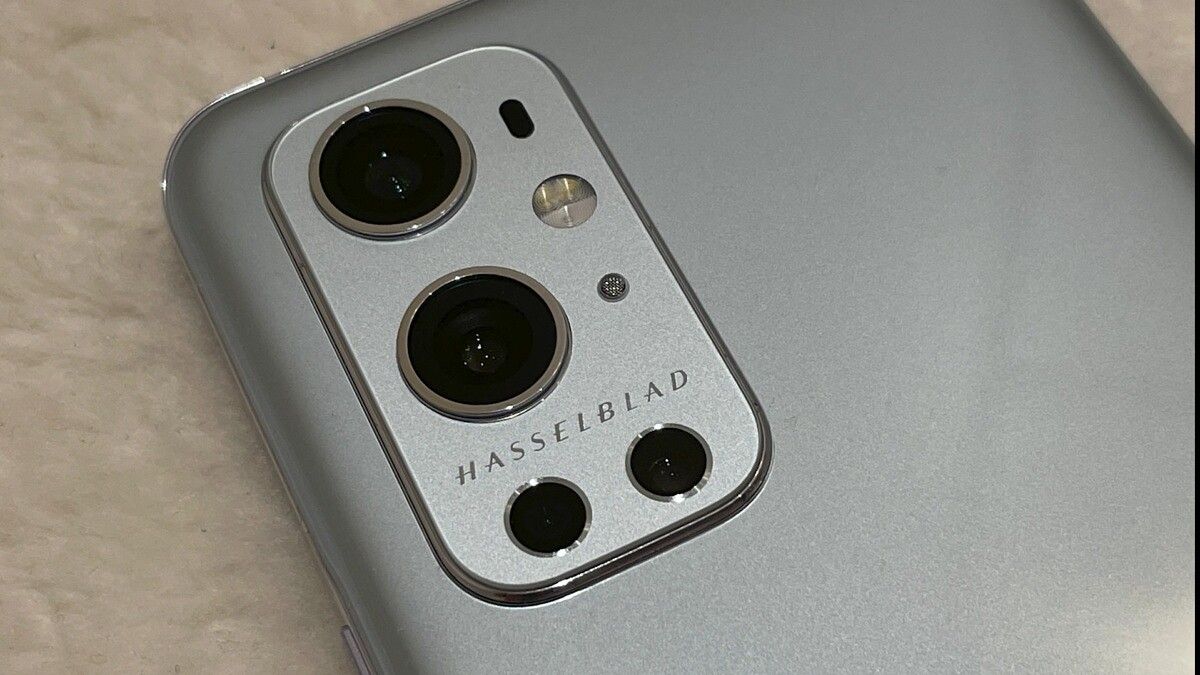
New leak reveals OnePlus 9 Pro’s Hasselblad camera branding

It’s that time of the year again when we see leaks of OnePlus’s next flagship lineup start popping up online. So far, there have been quite a few leaks around the OnePlus 9 series, with leaked renders and probable specs giving us a rough idea as to what the upcoming OnePlus flagship lineup would look like. Now a new leak has shed more light on the camera array of the OnePlus 9 Pro.

Known tech YouTuber Dave2D has obtained renders of what appears to be a OnePlus 9 Pro prototype with Hasselblad branding. For the uninitiated, Hasselblad is a Swedish manufacturer of medium format cameras. They don’t usually enter into smartphone camera partnerships as often as other brands like Leica or ZEISS. In fact, the last time we saw their brand name on a smartphone was about five years ago on the Moto Z’s Hasselblad True Zoom Mod.

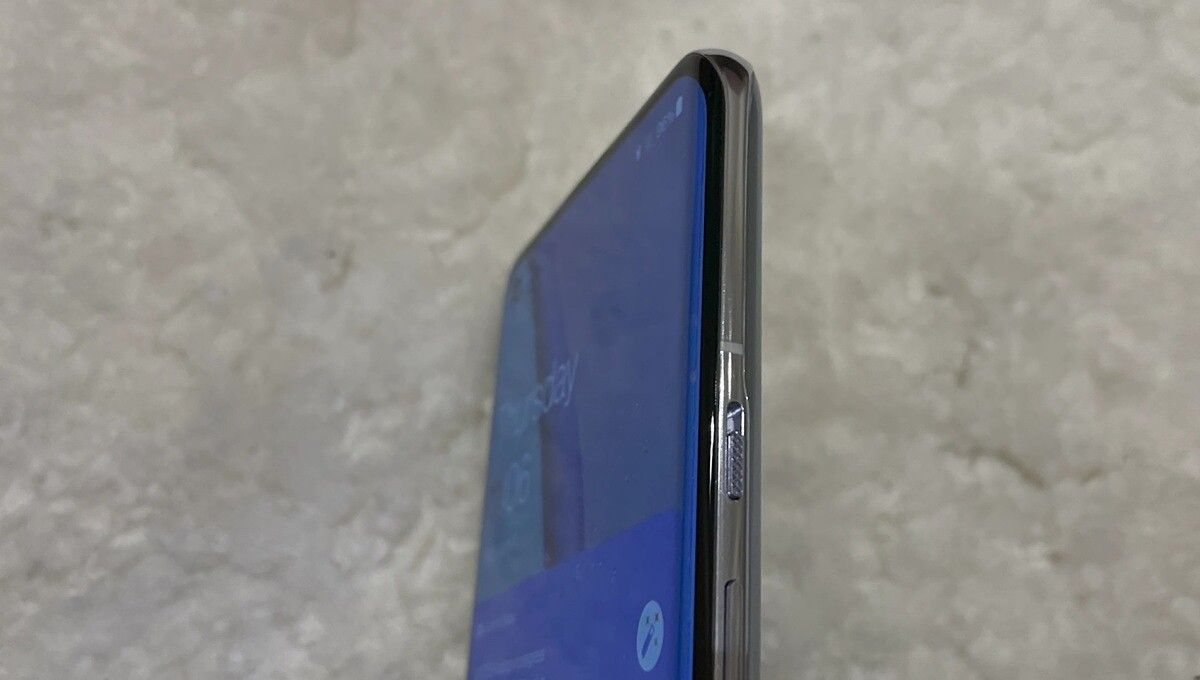
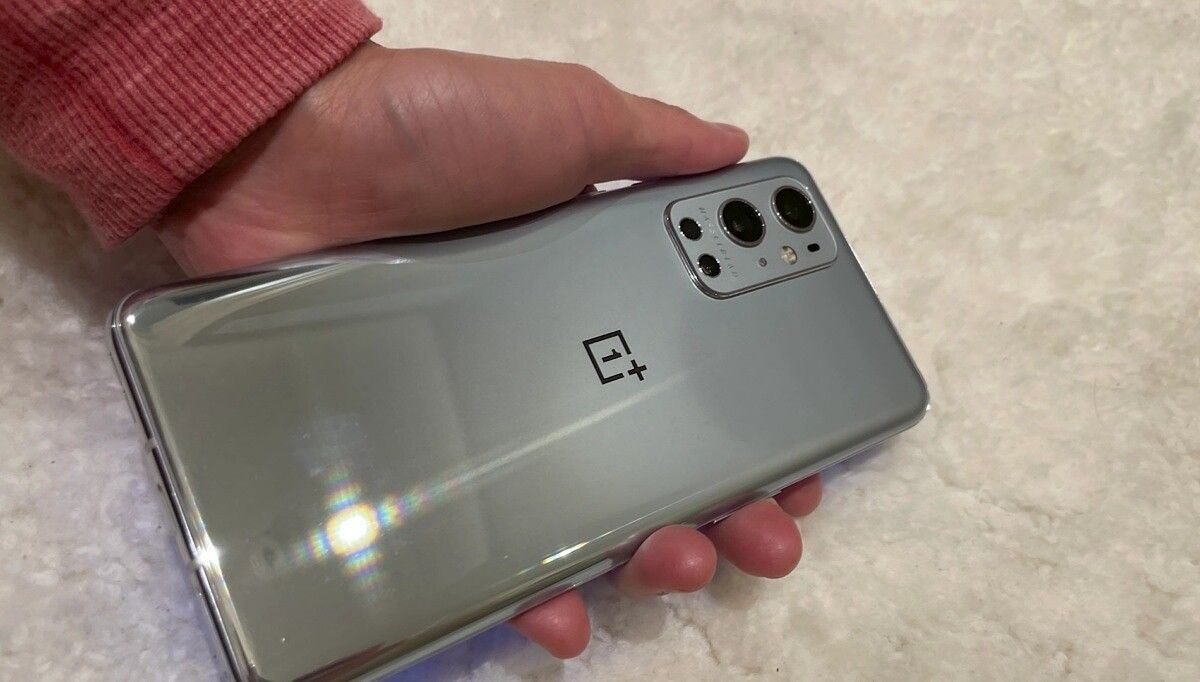
In a 5:25 minute-long video, Dave2D gives us our closest look at the OnePlus 9 Pro. As you can see in the below images, as opposed to the flat panel on the regular model, the Pro variant will feature a curved display panel. We can also see a four-camera array with two large sensors accompanied by two smaller ones lined up horizontally below the Hasselblad logo. The fourth camera placement is different from what we saw on the CAD renders shared by OnLeaks back in November.

OnePlus 9 Pro Hasselblad branding OnePlus 9 Pro Hasselblad branding OnePlus 9 Pro Hasselblad branding

Renowned leaker Max Jambor chimed in with a big thumbs up, adding further confidence to the leak.

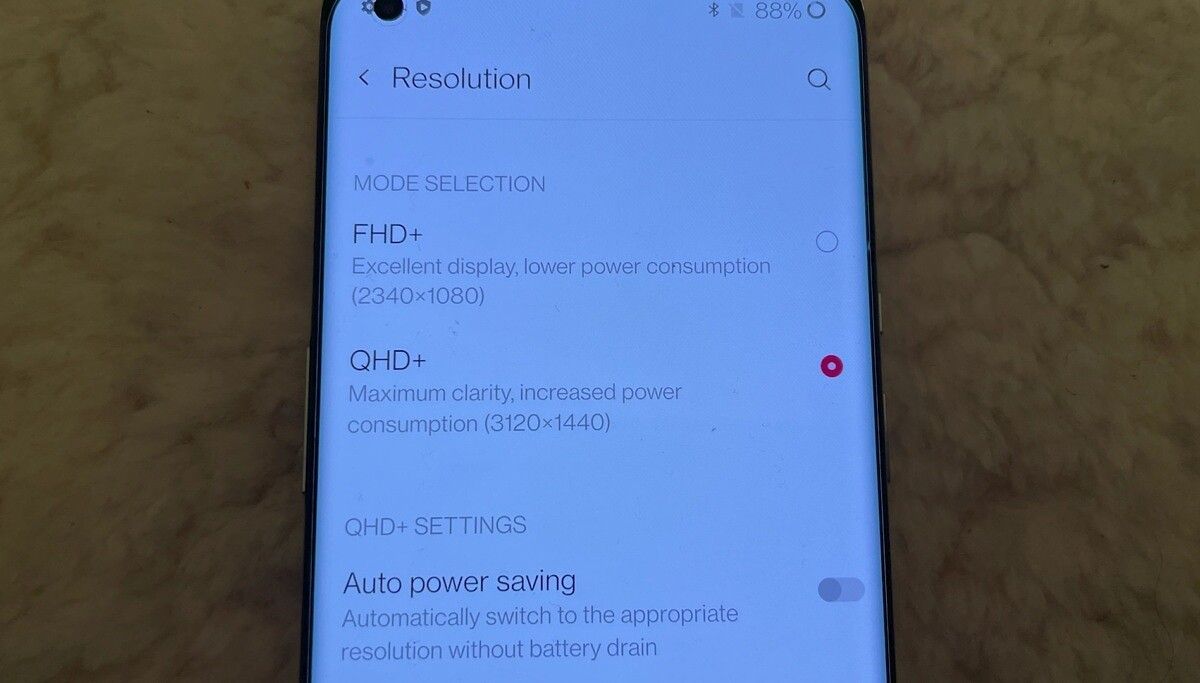
One of the renders of display settings also confirms the phone would indeed feature a QHD display with a screen resolution of 2340 x 1080 and 120Hz screen refresh rate.

OnePlus 9 Pro Hasselblad branding OnePlus 9 Pro Hasselblad branding

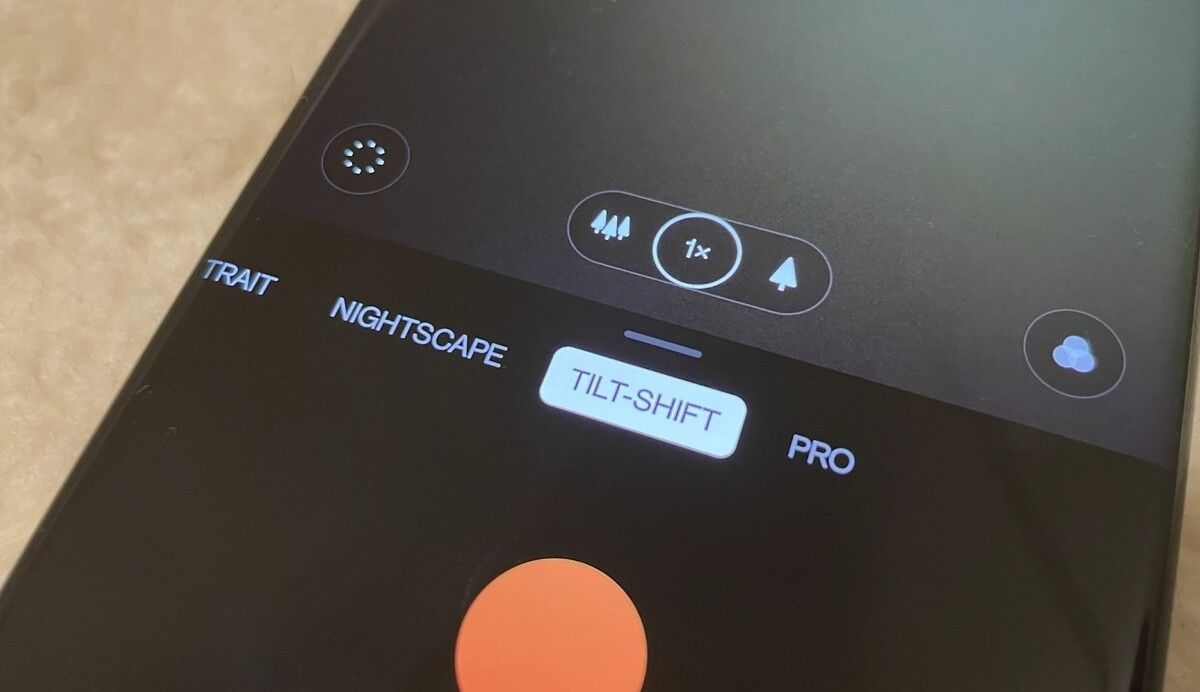
Meanwhile, the camera UI reveals we might get up to 3.3x lossless zoom and a Tilt-Shift mode. The unit in question packs 11GB of RAM and 256GB flash storage — it’s safe to assume it’s 12GB RAM and not 11GB. There was no confirmation on which SoC the device in question was running, but earlier leaks have suggested the phone will likely feature the latest and greatest from Qualcomm: the Snapdragon 888.

The post New leak reveals OnePlus 9 Pro’s Hasselblad camera branding appeared first on xda-developers.


from xda-developers https://ift.tt/36URQCe
via IFTTT

Google will replace Drive File Stream and Backup and Sync with Google Drive for desktop later this year

Google Drive will soon get a unified solution to help you access your files and keep them in sync on your desktop. The service currently offers two solutions — Drive File Stream, for enterprise users, and Backup and Sync, for consumers. But in the coming months, Google plans to unify these solutions to simplify things for both admins and end-users.

Google highlighted the upcoming changes in a recent post on the Workspace Updates blog. In the post, the company explains how it plans to offer the best and most used features from both Drive File Stream and Backup and Sync with the unified solution. Google claims that the unified solution will offer a powerful sync client for all Google Drive users and make it easier for admins and IT teams to manage deployments. The unified solution will also reduce user confusion around which app to use and it will also deliver better performance for end-users.

As part of this move, Google has renamed Drive File Stream to Google Drive for desktop with the latest version (v.45). However, the solution’s functionality remains unchanged and users won’t have to take any additional actions to continue using the client. Backup and Sync users, on the other hand, will have to migrate to Google Drive for desktop later this year. Until the new unified client rolls out, Google is working to incorporate features from Backup and Sync into the new Google Drive for desktop solution.

Once the unified solution is ready for primetime, the company will give Google Workspace admins and end-users a 3-month notice to transition to Drive for desktop. If you’re interested in learning more about the new Google Drive for desktop solution, you can head over to this link. For more information on which feature will be transitioned to Drive for desktop, click here. If you’d like to give the new Google Drive for desktop client a shot before it rolls out later this year, you can sign up for the beta by following this link. The beta release is available to Google Workspace Essentials, Business Starter, Business Standard, Business Plus, Enterprise Essentials, Enterprise Standard, and Enterprise Plus, as well as G Suite Basic, Business, Education, Enterprise for Education, and Nonprofits customers who currently have users with the Backup and Sync deployed.

The post Google will replace Drive File Stream and Backup and Sync with Google Drive for desktop later this year appeared first on xda-developers.


from xda-developers https://ift.tt/3tMvGMy
via IFTTT